Start with a Realistic Plan
Meal prep doesn’t have to be an all day event. Start by carving out just 15 minutes every Sunday to map out your week. Look at your schedule, get real about what meals you’ll actually eat at home, and sketch out a basic plan. This short window makes the rest of the week smoother.
Next, think about overlap. Choose 2 3 recipes that share ingredients like bell peppers that work in fajitas, salads, and omelets. It cuts down grocery costs and reduces the half used bag of spinach situation. Less waste, fewer decisions.
And don’t overcomplicate it. Start with a core structure: a couple of protein options, two grains (like rice or quinoa), and a handful of versatile veggies. That’s enough to mix, match, and build meals without getting bored but not so much that you’re overwhelmed before Wednesday.
Keep it light. Keep it doable. That’s how you stick with it.
Portion with Purpose
Meal prep isn’t just about saving time it’s about control. Start with the basics: use standard containers or, better yet, a kitchen scale. Eyeballing can go wrong fast, especially when you’re rushing or hungry. Whether it’s pasta or peanut butter, precision helps you avoid overeating without sucking the joy out of meals.
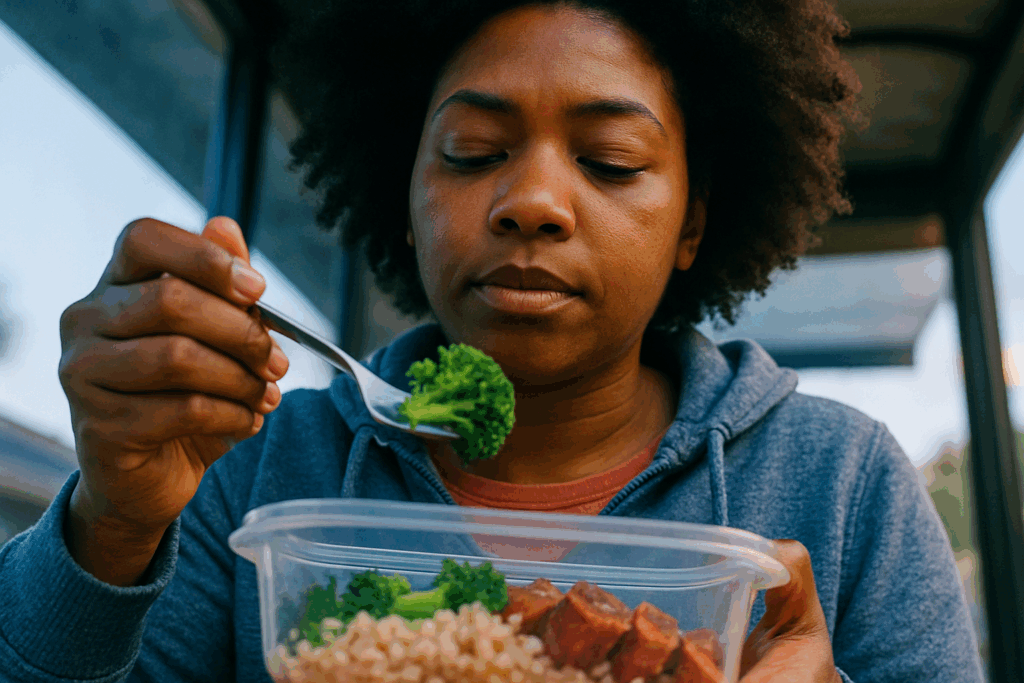
Next, build with balance in mind. A solid formula? Half your container packed with veggies, a quarter with lean protein, and the last quarter with complex carbs like brown rice or roasted sweet potatoes. It’s simple, visual, and easy to stick with.
Finally, label your meals by day. Monday lunch. Wednesday dinner. Done. It sounds minor, but it cuts down on the mental math and stops you from grabbing whatever’s at eye level. Less thinking during the workweek. More energy for everything else.
Cook in Batches, Store Smart
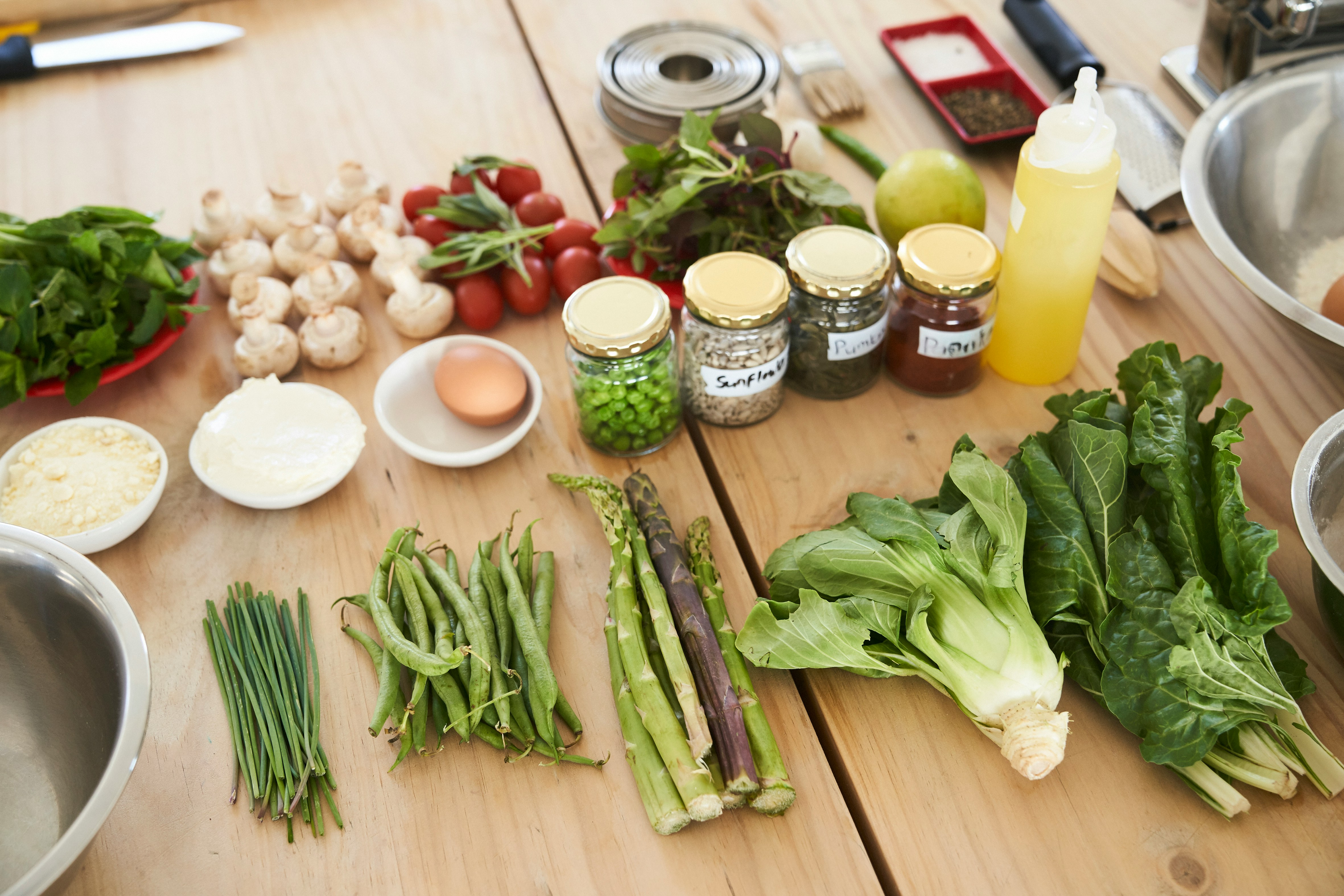
Efficiency matters when your week is packed. Start by cooking proteins and grains in big batches think chicken thighs, lentils, quinoa, rice. While those simmer or roast, throw together multiple trays of vegetables. Use sheet pans, season lightly, and roast ‘til crisp. You’ve now got meal components you can mix and match all week without scrambling.
Storage isn’t an afterthought it’s make or break. Invest in stackable, BPA free containers. They’re safer, easier to organize, and they’ll stop your fridge from turning into chaos.
Here’s the shelf life breakdown: refrigerate anything you’ll eat over the next four days. If you’ve prepped more than that, freeze it. Your Thursday self will be glad you did it back on Sunday.
Keep It Fresh and Flexible
Meal prep doesn’t have to mean eating the same exact thing four days straight. A base of grains, veggies, and proteins gives you flexibility dressings, sauces, and seasonings bring it to life. Think garlic tahini one day, chimichurri the next. Use what you’ve got and change up the flavor without rebuilding from scratch.
Snacks should be grab and go, not another chore. Prep quick wins like hummus with cut veggies, a stash of trail mix, or overnight oats stashed in mason jars. No cooking, just assemble.
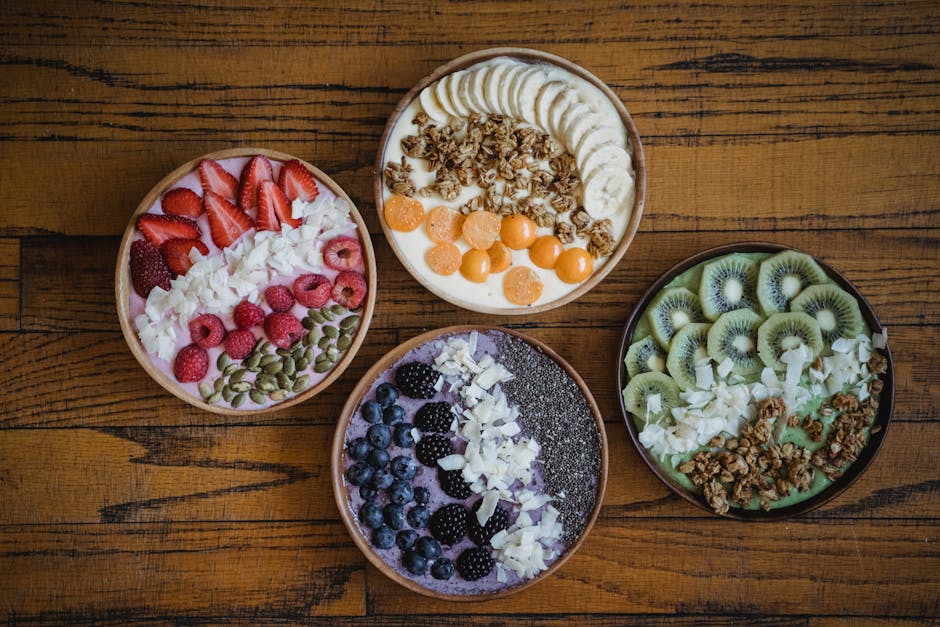
For breakfast? Smoothie packs are your best friend. Toss chopped fruit, greens, seeds, and protein into freezer bags. In the morning, just blend with your liquid of choice. Zero guesswork, all fuel.
Go Plant Based (or Mostly)
Plant forward meal prep isn’t just a trend it’s a practical move. You lower grocery costs, ease inflammation, and support a stable weight, all by leaning heavier on simple whole foods. It’s not about cutting everything out. It’s about swapping some animal proteins for legumes, grains, and seasonal produce without overcomplicating things.
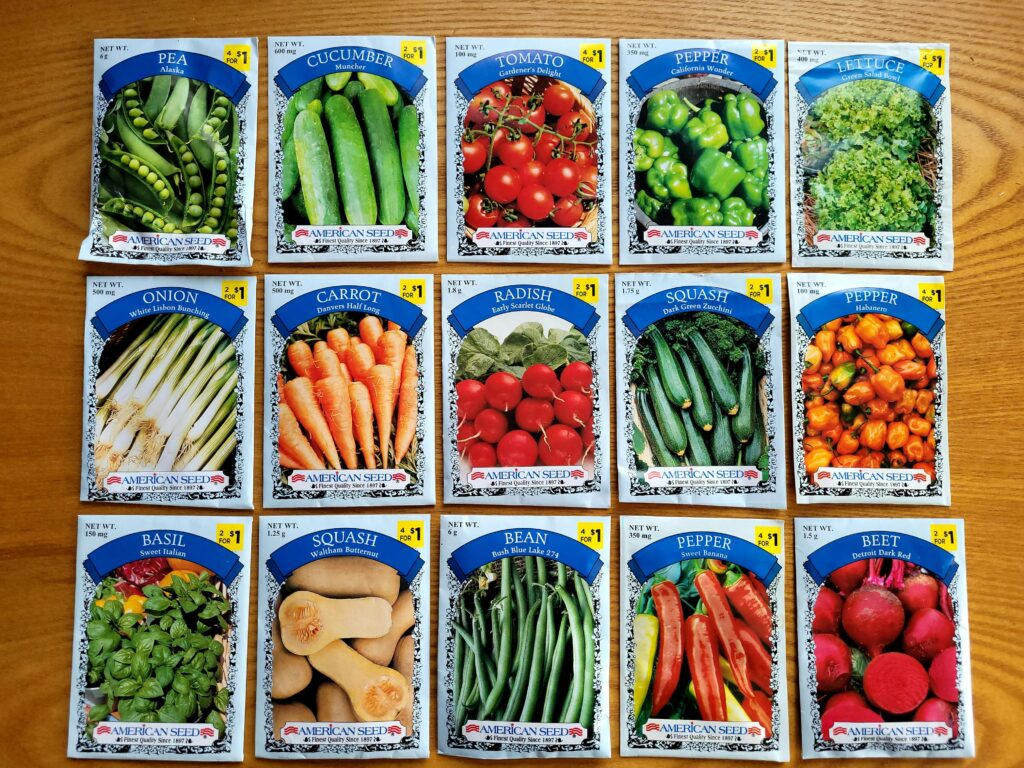
Start with basics like black beans, lentils, quinoa, chickpeas, and tofu. Rotate in whatever’s fresh at the market zucchini in summer, sweet potatoes in winter. Steam, roast, sauté, batch it. Mix and match during the week with sauces or quick toppers like tahini or salsa verde.
Keep variety high to dodge boredom. And if you need a guide to pull it all together, check out this resource: Plant Based Diets: Benefits, Tips, and Sample Meal Plans.
Final Tips from 2026 Trends
Incorporating a few modern strategies into your routine can make meal prep smoother, more affordable, and better aligned with your habits and preferences.
Embrace Smart Tech
Let a meal prep app do the heavy lifting. Many apps on the market now can:
Automate your grocery list based on selected recipes
Track nutrition and portion sizes
Offer weekly meal rotation suggestions to avoid repetition
Whether you’re new to prepping or a seasoned pro, using tech tools can streamline planning and reduce mental load each week.
Shop Local, Think Seasonal
Using in season produce isn’t just a health move it’s a budget friendly one too.
Local fruits and vegetables are often fresher and cheaper
Seasonal variety keeps your meals more colorful and nutrient dense
Supporting local farms creates a more sustainable food routine
Make a habit of checking what’s in season where you live. It’s an easy way to keep meals exciting without relying on complicated recipes.
Prep for Your Preferences
Meal prep should fit your lifestyle not fight against it. If you’re not a fan of eating the same thing day after day:
Focus on prepping ingredients, not entire meals
Cook basic proteins, grains, and veggies separately so you can mix and match daily
Use sauces and toppings to quickly switch up flavors
This flexible approach prevents food fatigue and keeps your meals fresh and satisfying throughout the week.
Taking a little time to set up for the week ahead can help you save hours, resist impulse eating, and stay aligned with your health goals.
 Ask Jeanifferson Edmundson how they got into health and wellness tips and you'll probably get a longer answer than you expected. The short version: Jeanifferson started doing it, got genuinely hooked, and at some point realized they had accumulated enough hard-won knowledge that it would be a waste not to share it. So they started writing.
What makes Jeanifferson worth reading is that they skips the obvious stuff. Nobody needs another surface-level take on Health and Wellness Tips, Fitness Routines and Workouts, Expert Health Insights. What readers actually want is the nuance — the part that only becomes clear after you've made a few mistakes and figured out why. That's the territory Jeanifferson operates in. The writing is direct, occasionally blunt, and always built around what's actually true rather than what sounds good in an article. They has little patience for filler, which means they's pieces tend to be denser with real information than the average post on the same subject.
Jeanifferson doesn't write to impress anyone. They writes because they has things to say that they genuinely thinks people should hear. That motivation — basic as it sounds — produces something noticeably different from content written for clicks or word count. Readers pick up on it. The comments on Jeanifferson's work tend to reflect that.
Ask Jeanifferson Edmundson how they got into health and wellness tips and you'll probably get a longer answer than you expected. The short version: Jeanifferson started doing it, got genuinely hooked, and at some point realized they had accumulated enough hard-won knowledge that it would be a waste not to share it. So they started writing.
What makes Jeanifferson worth reading is that they skips the obvious stuff. Nobody needs another surface-level take on Health and Wellness Tips, Fitness Routines and Workouts, Expert Health Insights. What readers actually want is the nuance — the part that only becomes clear after you've made a few mistakes and figured out why. That's the territory Jeanifferson operates in. The writing is direct, occasionally blunt, and always built around what's actually true rather than what sounds good in an article. They has little patience for filler, which means they's pieces tend to be denser with real information than the average post on the same subject.
Jeanifferson doesn't write to impress anyone. They writes because they has things to say that they genuinely thinks people should hear. That motivation — basic as it sounds — produces something noticeably different from content written for clicks or word count. Readers pick up on it. The comments on Jeanifferson's work tend to reflect that.