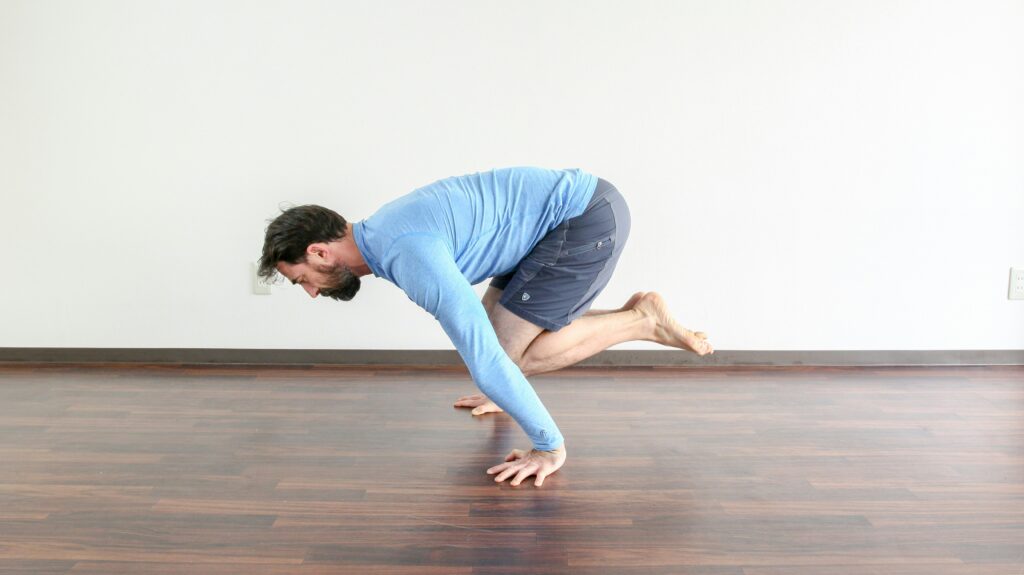
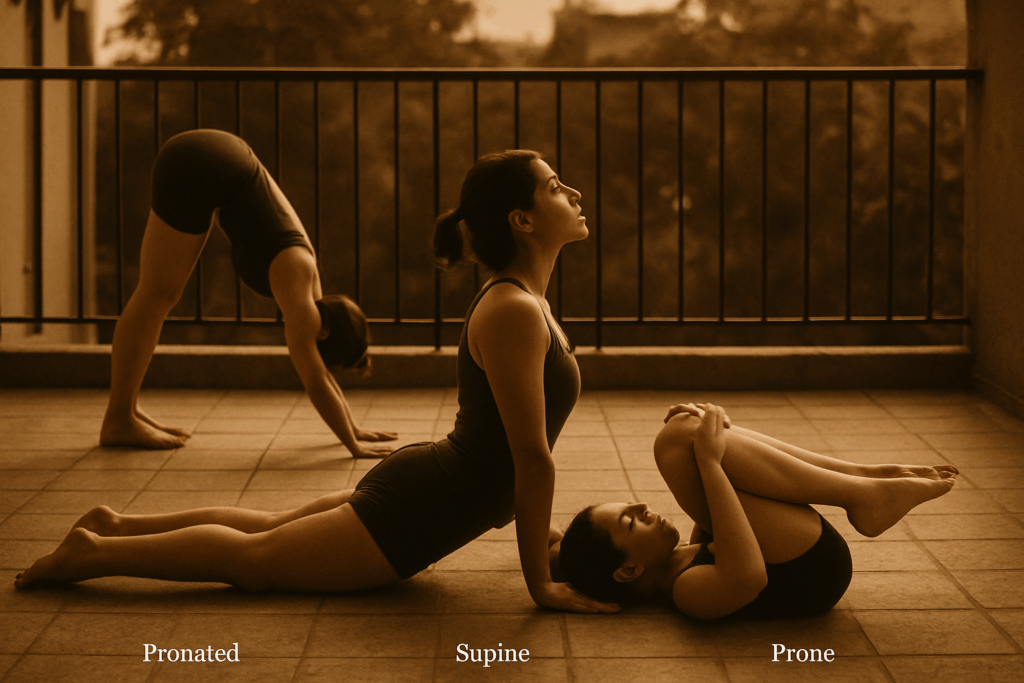
Why Flexibility Training Shouldn’t Be Optional
Flexibility isn’t about being able to nail a perfect split or impress at yoga class. It’s your built in insurance plan. When your muscles and joints have more give, you reduce your risk of injury period. Whether you’re lifting, running, or just getting through the day without tweaking your back, flexibility matters.
Better mobility equals stronger movement patterns. If your hips are tight or your shoulders don’t move well, your body finds workarounds. That compensation puts stress in all the wrong places. Over time, that’s what leads to strain, inflammation, and breakdowns in posture.
Still, this part of training gets skipped the most. People chase strength and speed but overlook what keeps everything functional underneath. The reality? Long term performance, pain prevention, and how you carry yourself day to day all trace back to how well your body moves and flexibility is at the core of that.
Dynamic vs Static Stretching: Timing is Everything
Not all stretching is created equal and the difference between dynamic and static stretching lies not just in technique, but also in timing. Knowing when to use each can enhance athletic performance, reduce injury risk, and accelerate recovery.
Dynamic Stretching: Warm Up with Movement
Dynamic stretches involve controlled, active movements that prepare your muscles and joints for exercise. They’re ideal for warming up because they stimulate blood flow and activate the nervous system.
Key Benefits:
Prepares muscles for movement
Enhances coordination and range of motion
Elevates body temperature and heart rate
Examples of Dynamic Stretches:
Leg swings (front to back and side to side)
Arm circles and shoulder rolls
Torso twists
Walking lunges with a twist
Best Time to Use:
Before workouts, runs, or any physical activity
As part of a morning mobility routine
Static Stretching: Cool Down and Recover
Static stretching involves holding a position for a sustained time to lengthen muscles and release tension. This type of stretching is best reserved for after workouts or periods of activity when muscles are already warmed.
Key Benefits:
Improves flexibility and muscle length
Promotes muscle relaxation and recovery
Can help decrease post exercise soreness
Examples of Static Stretches:
Seated hamstring stretch
Standing quad stretch
Overhead triceps stretch
Best Time to Use:
After a workout or intense physical effort
In the evening to unwind and reduce muscular tension
Summary: Know When to Stretch
| Stretch Type | When to Use | What It Does |
| | | |
| Dynamic Stretching | Pre workout | Activates muscles and boosts blood flow |
| Static Stretching | Post workout | Lengthens tight muscles and aids recovery |
Using the right type of stretch at the right moment can make a noticeable difference in your performance, comfort, and long term mobility.
Daily Mobility Routine Anyone Can Do
Start your day with a quick mobility flow that doesn’t feel like a workout but sets your joints up to move better all day. This is about blood flow, range of motion, and signaling your body it’s time to go. No gear needed, just gravity and a little floor space.
The Flow (5 7 minutes total)
-
Cat Cow Rolls (Spinal Wake Up)
Reps: 8 10 slow, steady rolls
Breathe: Inhale as you arch, exhale as you round
Why: Warms the spine, improves back flexibility -
World’s Greatest Stretch (Hip Opener + Spine Twist)
Reps: 5 per side, hold each for 20 seconds
Breathe: Deep exhales in the twist
Why: Hits hips, hamstrings, thoracic rotation in one move -
Hamstring Scoops
Reps: 10 swipes per leg
Breathe: Inhale as you reset, exhale on the stretch
Why: Dynamic hamstring activation without overstraining -
Standing Hip Circles
Reps: 5 slow circles each direction, each leg
Breathe: Keep it easy and rhythmic
Why: Lubes up the hip joints, improves mobility -
Shoulder Rolls + Arm Swings
Reps: 10 forward, 10 backward + 10 cross swings
Breathe: Steady, full breaths throughout
Why: Loosens the upper back and shoulders for the day ahead
Focus on quality over speed nothing should feel forced. Coordinate your breath with each rep to keep energy flowing. Done daily, this routine builds resilience and fluidity that sticks with you far past the morning.
Targeted Routines by Body Area
When it comes to flexibility, general movement isn’t always enough. Tightness is usually sneaky and specific shoulders, hips, ankles. This section dials in on the main problem areas and gives you simple, effective stretches to open things up.
Shoulders & Upper Back: If you’re desk bound or hunched over a camera all day, you’ve likely felt the tension. For this zone, go with the doorway stretch stand in a doorway, arms bent at 90 degrees on the frame, step forward until you feel your chest open. Hold. Follow it up with “thread the needle” from a tabletop position, reaching one arm under the body and rotating through your upper spine. Deep, controlled breaths are everything here.
Hips & Hamstrings: These get hammered whether you’re lifting, sitting, or running. Pigeon pose hits external hip tightness hard get into it slowly and use props if needed. Standing forward fold brings length back into the hammies. Keep a micro bend in your knees if straight legs are too much. Gravity will do the rest.
Ankles & Calves: Overlooked, but absolutely key for squat depth and walking without pain. Do heel drops off a step: hang your heels over the edge, drop them gently, hold at the bottom. Then stand facing a wall and do controlled toe lifts with your heels planted. Both help restore mobility for better balance and push off when walking or training.
Tight, overcompensating muscles often mask deeper movement flaws. Don’t just stretch correct course. Start with mobility, but also fix movement errors so you don’t stretch your way into bigger problems. Smart work now saves you pain later.
Tools That Help (and When to Use Them)
You don’t need a gym full of gear to get more out of your stretching. Just a few tools can make a big difference, especially when it comes to safety, depth, and staying consistent.
Start with a foam roller. Use it before any static stretching to improve circulation and reduce muscle tension. Think of it as clearing the road before a drive rolling out tight spots preps your body to go deeper without strain. Glutes, quads, and upper back are good places to begin.
Stretching straps are any tight hamstring’s best friend. They help you reach and hold positions you’d otherwise struggle with, especially when working on quads or behind the leg flexibility. No more grabbing your foot and wobbling strap it, lock in, and breathe through the stretch.
Finally, get tactical with yoga blocks, doorframes, and wall support. A block under your hips in pigeon pose allows for better alignment, while pressing against a wall in a standing calf stretch gives you leverage without forcing the range. Doorway stretches for shoulders? Efficient and accessible. These tools aren’t fancy, but they take your flexibility game from basic to dialed in.
Common Mistakes That Kill Progress
Too many people treat stretching like a checklist they dive in cold, crank a few positions, and assume they’re doing their body a favor. Not quite. Skipping a proper warm up and going straight into static stretches doesn’t prep your muscles it shocks them. Cold tissue doesn’t stretch well. You need blood flow first. Dynamic moves like leg swings or thoracic twists get your body online before the deeper work begins.
Then there’s the issue of overstretching without muscle control. If you’re yanking on muscles without engaging the opposing groups, you’re not stretching smart you’re just pulling. Stretching is about balance and control, not force. Active flexibility (where muscles support the stretch) builds real mobility. Passive flexibility, if overdone or done poorly, opens the door to strains and instability.
Finally, form counts. Alignment matters. If your hips are twisted in pigeon pose or your back is slumped in a forward fold, you’re reinforcing bad habits and possibly setting yourself up for injury. Better to do fewer reps with tight form than rush through sloppily.
Want to move better and stay injury free? Take time to learn how to fix movement errors. Small corrections now save months of rehab later.
Make Flexibility a Habit, Not a Chore
Stretching works, but only if you make it stick. Ten minutes a day beats an hour once a month. Keep it simple: set aside 10 15 minutes daily. It doesn’t have to be perfect or intense it just has to happen.
Tying your stretching routine to things you already do makes it frictionless. Try it right after a warm shower when your muscles are loose, or before bed as a signal to wind down. Pick a moment that’s already a habit, and bolt the stretching onto it.
Tracking progress helps keep you motivated. Don’t overthink it. Use a photo every two weeks in a key pose forward fold, seated twist, whatever lines up with your goals. Or just note how deep into a stretch you go. The point is to see the dial move and know the time’s paying off.
 Marken Taylorils has opinions about nutrition and diet guidelines. Informed ones, backed by real experience — but opinions nonetheless, and they doesn't try to disguise them as neutral observation. They thinks a lot of what gets written about Nutrition and Diet Guidelines, Expert Health Insights, Health and Wellness Tips is either too cautious to be useful or too confident to be credible, and they's work tends to sit deliberately in the space between those two failure modes.
Reading Marken's pieces, you get the sense of someone who has thought about this stuff seriously and arrived at actual conclusions — not just collected a range of perspectives and declined to pick one. That can be uncomfortable when they lands on something you disagree with. It's also why the writing is worth engaging with. Marken isn't interested in telling people what they want to hear. They is interested in telling them what they actually thinks, with enough reasoning behind it that you can push back if you want to. That kind of intellectual honesty is rarer than it should be.
What Marken is best at is the moment when a familiar topic reveals something unexpected — when the conventional wisdom turns out to be slightly off, or when a small shift in framing changes everything. They finds those moments consistently, which is why they's work tends to generate real discussion rather than just passive agreement.
Marken Taylorils has opinions about nutrition and diet guidelines. Informed ones, backed by real experience — but opinions nonetheless, and they doesn't try to disguise them as neutral observation. They thinks a lot of what gets written about Nutrition and Diet Guidelines, Expert Health Insights, Health and Wellness Tips is either too cautious to be useful or too confident to be credible, and they's work tends to sit deliberately in the space between those two failure modes.
Reading Marken's pieces, you get the sense of someone who has thought about this stuff seriously and arrived at actual conclusions — not just collected a range of perspectives and declined to pick one. That can be uncomfortable when they lands on something you disagree with. It's also why the writing is worth engaging with. Marken isn't interested in telling people what they want to hear. They is interested in telling them what they actually thinks, with enough reasoning behind it that you can push back if you want to. That kind of intellectual honesty is rarer than it should be.
What Marken is best at is the moment when a familiar topic reveals something unexpected — when the conventional wisdom turns out to be slightly off, or when a small shift in framing changes everything. They finds those moments consistently, which is why they's work tends to generate real discussion rather than just passive agreement.