
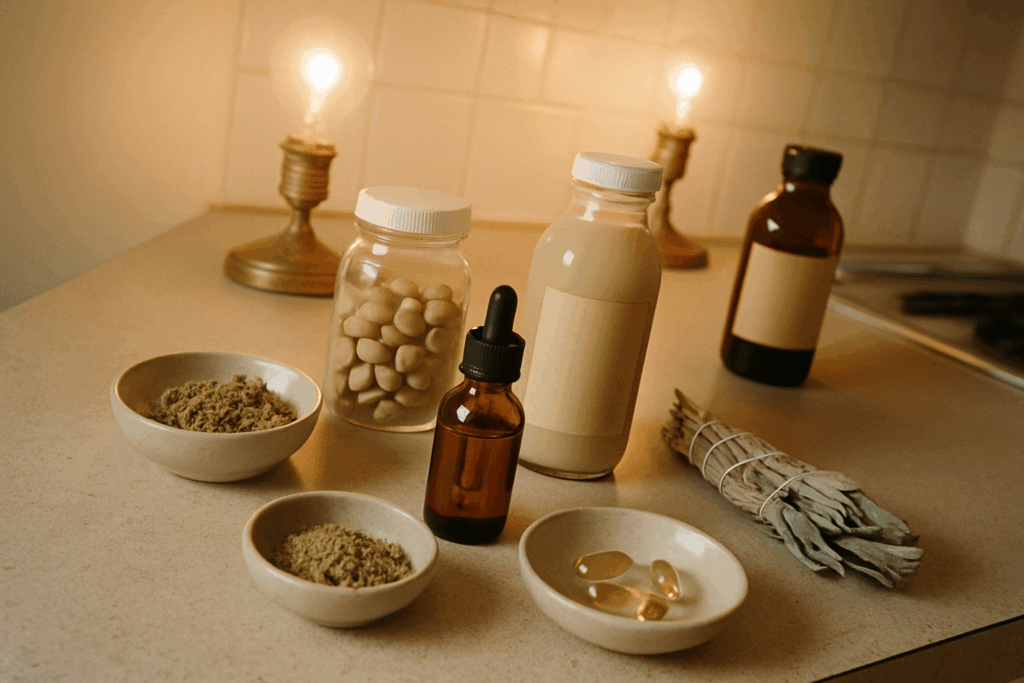
Why Natural Remedies Are Worth Considering
Interest in natural remedies has seen a steady rise in recent years and with good reason. As more people seek alternatives to conventional treatments, there’s a growing appreciation for healing methods rooted in nature and tradition.
A Return to Roots
Many are turning away from synthetic medications and rediscovering the power of natural solutions. This movement isn’t about rejecting science it’s about reclaiming a more balanced, gentle form of self care that complements modern medicine.
Greater awareness of wellness beyond symptom relief
Desire for more natural, minimally processed options
Cultural and ancestral traditions making a comeback
Holistic Benefits Without the High Costs
One of the biggest appeals of natural remedies is their potential to heal without harsh side effects. While not every remedy works for everyone, many offer multifaceted benefits with a gentler impact on the body. Plus, they often come at a lower cost than pharmaceutical alternatives.
Key advantages include:
Fewer side effects compared to synthetic drugs
Affordability and accessibility
Support for overall wellness, not just symptom management
Know When to Use and When Not To
Natural remedies can be incredibly effective for everyday issues like minor digestive complaints, sleeplessness, or seasonal colds. But it’s important to understand their limitations and know when to turn to a healthcare professional.
Use natural remedies when:
Addressing mild, non emergency symptoms
Supporting overall preventive care
Complementing lifestyle improvements
Seek medical care when:
Symptoms are severe, worsening, or unexplained
You’re managing a chronic or serious condition
Natural methods don’t provide sufficient relief
When used responsibly and in the right context, natural remedies can empower individuals to take more active, informed roles in their health journeys.
Everyday Ailment #1: Sleeplessness
Poor sleep doesn’t just leave you groggy it chips away at focus, mood, and motivation. If counting sheep isn’t cutting it, nature has a few time tested backups. Valerian root is known for calming the nervous system without the morning fog. Lavender, whether it’s in essential oil form or brewed in tea, has a subtle sedative effect. And chamomile? It’s a classic for a reason mild, safe, and effective for winding the mind down.
But herbs go further when paired with routine. Unplugging from devices at least an hour before bed helps reduce stimulation. Blue light blockers (glasses or app based filters) reduce melatonin disruption. Warm baths can reset your body clock by slightly lowering core temperature afterward your signal to snooze.
None of this requires budgets or magic. Just steady habits and respect for your body’s signals.
For deeper insights backed by science, check out Science based tips to sleep better tonight.
Everyday Ailment #2: Digestive Upset
Bloating. Gas. That uneasy, too full feeling after just a simple meal. It’s more common than most like to admit. The good news: some of the oldest remedies in the book still get the job done.
Start simple. Ginger tea is a go to for a reason it can calm the stomach, improve digestion, and even combat nausea. Steep fresh slices in hot water and sip slowly after meals. If ginger’s not your style, peppermint oil might be. Just a few drops in warm water or taken as a capsule can relax the muscles in your gut and ease cramping. And don’t sleep on fennel seeds chew them whole or brew them into tea to help relieve bloating and gas. These aren’t exotic cures. They’re pantry staples in many cultures for a reason.
Beyond quick fixes, your diet long term plays a major role. Cutting back on processed foods, eating slowly, and including more fermented foods (think yogurt, kefir, sauerkraut) can restore balance to your gut microbiome. Hydration matters, too. Try a warm glass of water first thing in the morning it can nudge digestion in the right direction.
No one has perfect digestion every day. But with a few basic natural tools and smarter eating habits, those off days don’t have to turn into full on gut meltdowns.
Everyday Ailment #3: Headaches

When headaches hit, most people reach right for over the counter pills. But a growing number are finding that natural remedies can be just as effective without the foggy crash afterwards.
Start with magnesium. It’s a quiet powerhouse, especially if you get frequent tension or migraine headaches. Many people are unknowingly low on it, and supplements (or magnesium rich foods like leafy greens and nuts) can help relax blood vessels and calm the nervous system. Staying hydrated is just as crucial. Even mild dehydration can trigger a headache, so don’t underestimate the power of a few glasses of cold water.
Feverfew, a flowering plant, has been used for centuries to prevent migraines. For some, daily supplements can cut down both the frequency and intensity of their headaches. The key is consistency it’s not a quick fix, but a long game strategy. Aromatherapy is another route: peppermint and lavender essential oils, especially when applied to the temples or gently diffused, can bring quick relief for tension or stress headaches.
But remedies only go so far if you’re ignoring triggers. Common culprits include skipping meals, poor sleep habits, too much screen time, and caffeine swings. Hormonal shifts, strong smells, or even weather changes can also be players. The trick is tuning into your body and tracking patterns. Once you know what your headaches respond to and what brings them on you can act fast and treat smarter.
Everyday Ailment #4: Mild Cold & Flu
When a cold hits, most people reach for over the counter meds. But if you’re looking to support your body the natural way, you’ve got solid options that don’t come in a blister pack.
Start with immunity boosters. Elderberry syrup is a go to it’s packed with antioxidants and has been shown to modestly reduce the length of symptoms. Echinacea’s another staple, particularly at the first sign of sniffles. Zinc helps your immune system stay alert, but timing matters too much late in the game won’t help much, and overdoing it can mess with your sense of taste. Stick to the recommended dosages.
Once symptoms land, it’s all about managing the discomfort. For congestion, steam is underrated. A hot shower or a bowl of hot water with a towel over your head can work wonders. Add a few drops of eucalyptus or peppermint oil to open the airways. For sore throats, warm salt water gargles hold up simple, cheap, and oddly effective. Herbal teas with honey and ginger also soothe inflammation and help you stay hydrated.
Natural doesn’t mean passive. The key is hitting early, staying consistent, and giving your body space to heal.
When Natural Isn’t Enough
Natural remedies can work wonders until they don’t. There’s a point where herbal teas or essential oils just can’t match the firepower of modern medicine. Knowing where that line is means you’re taking your health seriously, not abandoning it to guesswork.
Here’s the rule of thumb: if symptoms linger beyond a few days, worsen over time, or include things like high fever, sharp pain, unexplained weight loss, or blood don’t wait. Talk to a qualified healthcare provider. Natural isn’t supposed to mean risky or stubborn.
It’s also not an either or decision. Many people find success blending both approaches: using ginger tea for nausea while following a doctor’s instructions, or taking magnesium alongside prescribed treatment for migraines. What matters is being intentional. Use science where science shines; use nature where nature helps. Just be honest with yourself and your doctor about what you’re doing. That’s how you get the best of both worlds without falling through the gaps.
Getting Started the Smart Way
If you’re serious about trying natural remedies, don’t wing it. Start with sourcing. Herbs and supplements should be clean, pure, and backed by third party testing when possible. Stick with reputable brands ideally ones that publish sourcing info and batch data. Avoid the bargain bin. Cheap herbs often mean fillers, low potency, or even contamination.
Once you’re confident in quality, build a targeted cabinet not a cluttered one. You don’t need 40 bottles of stuff you’ll never use. Focus on proven basics: something for sleep, immune support, digestion, and stress. Start small, then expand based on what you actually need.
Finally, track your results. Write it down. Did chamomile actually help you sleep better? Did peppermint oil settle your stomach or make it worse? Natural remedies don’t always act fast, and effects can be subtle. Pay attention, and give things time. Trial and patience are part of the process.
You’re not just collecting herbs. You’re learning your body’s signals and finding what fits. That takes time but it’s worth it.