Getting Started Without the Gym
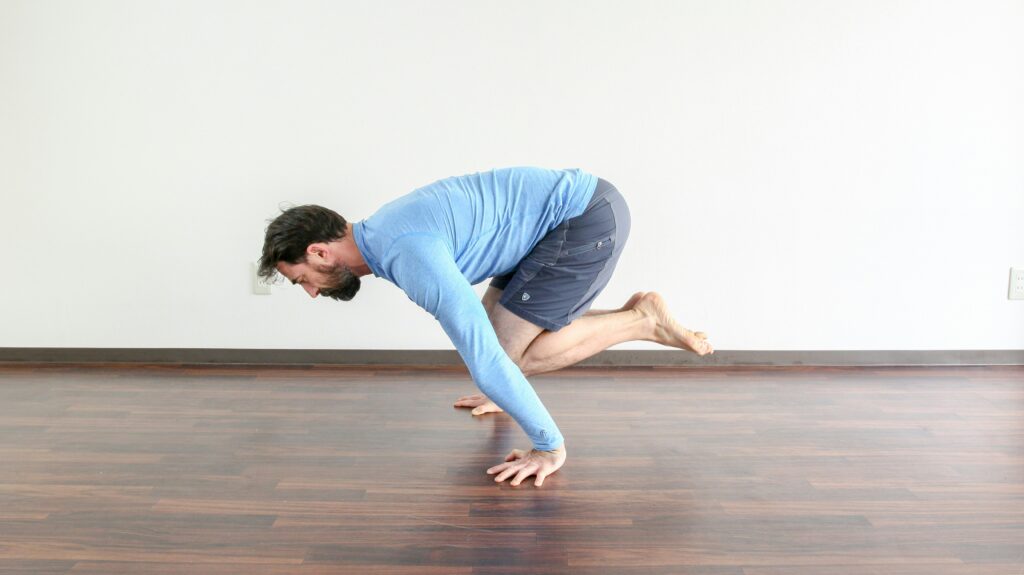
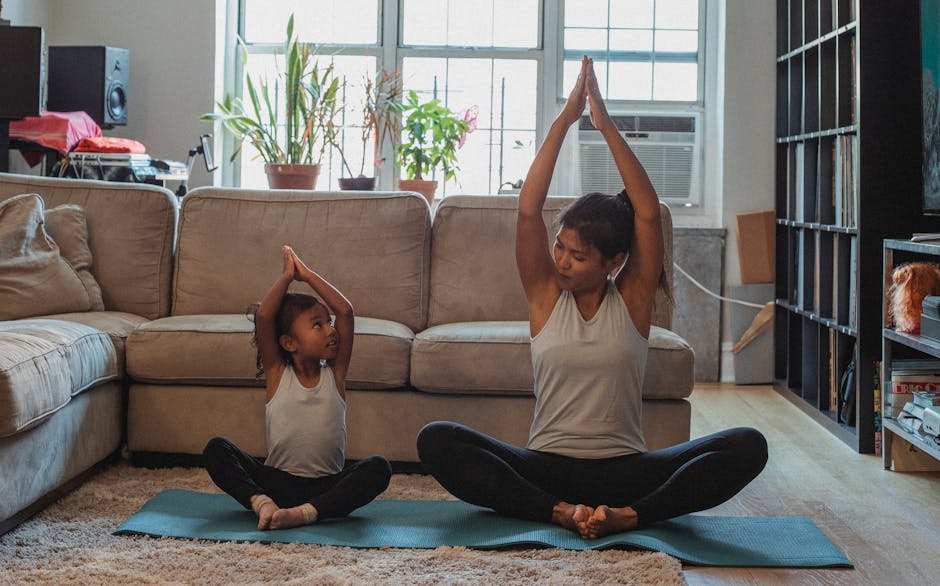
Home workouts work because they strip fitness down to the essentials. No monthly fees. No commute. No waiting for someone to get off the leg press. You get flexibility five minutes or fifty, early morning or late night. It fits your schedule, not the other way around. That’s the real power: freedom.
You don’t need a garage full of gear to make progress. A yoga mat, some floor space, and your own body weight can carry you far. Add in a pair of dumbbells or a basic resistance band and you’ve covered 90% of what most people need, especially in the beginning.
What about the excuses? “I don’t have time.” Set a timer. Ten focused minutes beats doing nothing. “I don’t know what to do.” Follow a basic routine push ups, squats, lunges, planks. Do them in a circuit. Repeat. “I can’t stay motivated.” Track your sessions. Notice the small wins more reps, smoother form, faster recovery.
Home fitness isn’t about perfection it’s about showing up. Often. And doing enough to feel it.
Smart Warmups That Prevent Injury
You don’t need a fancy setup or much time to get your body prepped. A solid 5 10 minute warmup hits joint mobility and muscle activation two things you don’t want to skip if you care about performance and injury prevention. Think of it as unlocking your range before loading the system.
Start with joint circles neck rolls, arm swings, hip circles. These get the joints moving through their full range without stress. Then shift to dynamic stretches: bodyweight lunges with rotation, leg swings, inchworms. The goal is movement, not holding a pose. You’re waking up the nervous system, getting blood flowing, and reminding muscles what they’re about to do.
Even if your “home gym” is a yoga mat between the kitchen table and your couch, this warmup works. No space? Stand up and string together five minutes of movement with intention. You’re not just breaking a sweat you’re building a habit that keeps you training longer, stronger, and pain free.
Bodyweight Basics
You don’t need fancy machines or a gym to build strength. The foundation starts with the staples: squats, push ups, lunges, and planks. These four moves work your major muscle groups legs, chest, core, back and require zero equipment. When done right, they hit harder than most people expect.
Try this beginner circuit:
10 squats
8 push ups (knees if needed)
10 lunges (5 each leg)
30 second plank
Repeat the circuit three times with 30 60 seconds rest between rounds. Simple, but not easy. That’s kind of the point.
As for getting stronger over time? That’s where progressive overload comes in. At home, that might mean adding reps, slowing your tempo, pausing at the hardest part of the move, or shortening rest times. Bodyweight isn’t a beginner only tool it just requires smart progression and grit.
Light Dumbbells or Resistance Bands
Once you’ve got bodyweight down, adding load takes your gains up a notch. Light dumbbells or resistance bands are affordable, easy to store, and versatile. They’re perfect for dialing up intensity without risking injury.
A basic upper/lower body split might look like:
Monday: Upper Dumbbell shoulder presses, band rows, bicep curls, tricep kickbacks
Thursday: Lower Goblet squats, dumbbell deadlifts, step ups, banded glute bridges
Go for 2 3 sets of 10 12 reps per move. Focus on control, not momentum. Better to lift lighter with clean form than swing a heavier weight and mess up your joints.
Rule of thumb: if a movement feels shaky or strains the wrong muscles, scale back. Strength builds fast when you train smart and ego free.
Optional Add On: Fitness Apps That Do the Work for You
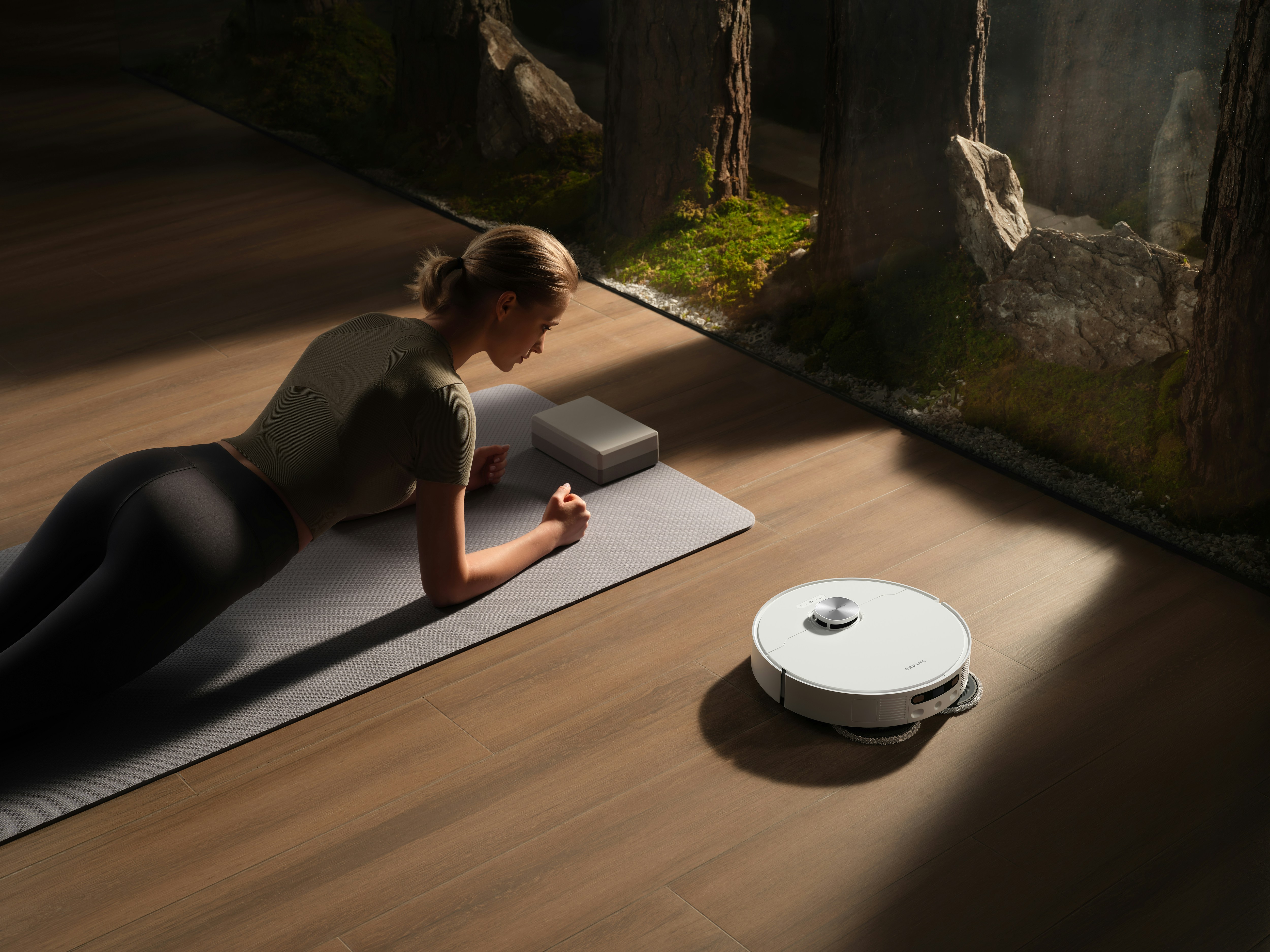
Some days, the hardest part is just showing up. That’s where a solid fitness app can make the difference. The right tool doesn’t just guide your workout it keeps you on track when motivation dips. Think daily nudges, streak counters, goal reminders. Small, simple prompts that stop you from skipping “just this once.”
Many apps now come packed with beginner friendly programs and built in flexibility. Got 10 minutes? It builds you a session. Missed a day? It adjusts. These tools don’t just track what you did they remind you why you started. And once you start seeing your progress stack up? A little momentum goes a long way.
If you’re overwhelmed by choices or want to find something frictionless to start, check out these fitness app reviews. They break down easy to use tools that actually help you stay the course.
Recovery That Actually Supports Results
Finishing your workout is only half the story. Proper recovery ensures you’re not just staying consistent, but actually improving. Treat recovery as part of the process not an afterthought.
Cooldowns: More Than Just a Stretch
Successful cooldowns lower your heart rate and prevent injury. A few intentional minutes focused on breathing and mobility can make a big difference.
Stretch major muscle groups: hamstrings, quads, shoulders, calves
Use light dynamic or static stretching depending on workout intensity
Include deep, steady breathing to trigger your body’s relaxation response
Keep it short but focused: 5 8 minutes is plenty
How Many Rest Days Do You Need?
Yes, rest is part of the plan. Muscles grow and repair during recovery periods not during the workout itself.
First time beginners: aim for 2 3 rest days per week
Active beginners: consider alternating intensity days rather than cutting workouts entirely
Watch for signs of fatigue: soreness that lingers, poor sleep, or lack of motivation are cues to rest
Don’t Sleep on Sleep (or Nutrition)
Your recovery efforts are only as strong as your routines outside of training. Fuel up and rest up.
Aim for 7 9 hours of quality sleep to support recovery and hormone balance
Eat whole foods with protein, healthy fats, and complex carbs to help muscles rebuild
Stay hydrated especially after sweaty home workouts
Avoid over caffeinating or under eating, both of which impact energy and progress
Make recovery a habit, not a reaction. You’ll notice faster results, fewer injuries, and a more sustainable fitness journey overall.
Stay in the Game
Sticking to a fitness routine at home isn’t just about motivation it’s about strategy. Making your workouts sustainable means being realistic, flexible, and responsive to your body’s progress.
Build a Weekly Schedule You Can Actually Follow
Too many beginner plans overshoot what’s practical. Instead, start with a routine that fits your life easily, then scale up as it becomes habit.
Beginner friendly schedule example:
3 days/week of workouts Focus on full body or alternating upper/lower split
2 days/week of light activity Walks, yoga, mobility work
2 rest/recovery days Emphasize sleep, stretching, and hydration
Tips:
Choose consistent workout days to build the habit
Keep workouts under 30 minutes if you’re short on time
Adjust as you go some movement is always better than none
Prevent Burnout and Avoid the Dreaded Plateau
Even at home, it’s easy to overdo it or stagnate. Keep your mind and body engaged with variety and built in rest.
Ways to stay balanced:
Rotate your workouts every few weeks change reps, moves, or timing
Avoid working the same muscles on back to back days
Don’t ignore signs of fatigue more isn’t always better
Consistency beats intensity if you want long term results.
Know When It’s Time to Level Up
Beginners often wonder: how do I know when to challenge myself more? Here are clear signs:
You finish sessions without feeling challenged or tired
Your form and control are rock solid on every rep
You find yourself increasing reps or sets without effort
Next steps to level up:
Add resistance (dumbbells, bands, etc.)
Increase workout frequency from 3 to 4 5 days/week
Explore new formats HIIT, circuits, or time based training
Pro Tip: Use Apps to Track and Adapt
Tracking your progress over time is key to knowing what to adjust. The right app can help you stay motivated, monitor your improvements, and adapt your plan without the guesswork.
Recommendation: Check out these fitness app reviews for beginner friendly tools to guide your journey.
Remember, your fitness plan should work for you not exhaust you. Stay flexible, stay consistent, and listen to your body.