
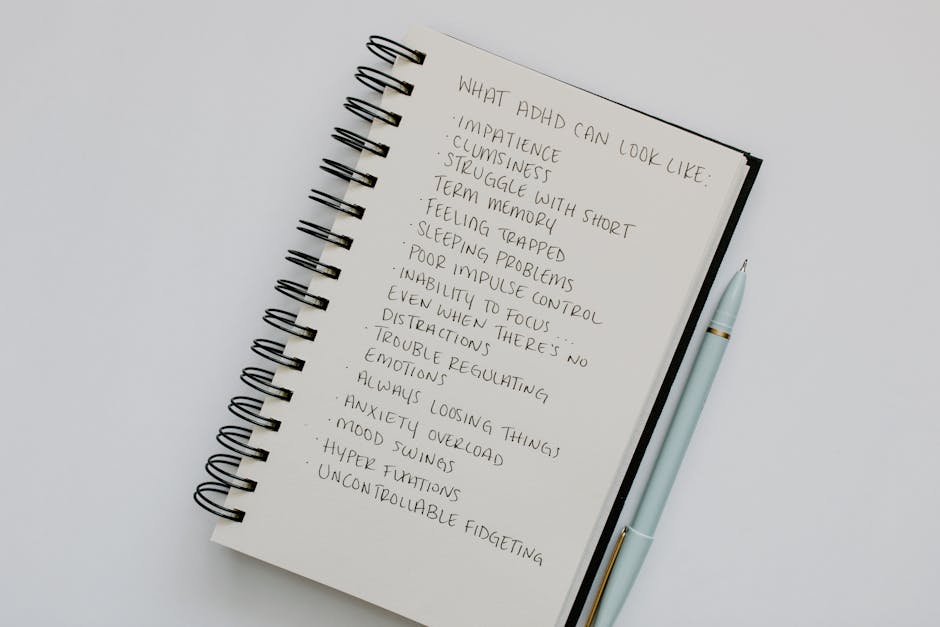
Why Your Mind Feels Foggy
There’s a reason your brain feels jammed by midweek. Notifications, newsfeeds, calendars packed edge to edge it all stacks up, fast. Add emotional noise to the mix stress, assumptions, unfinished conversations and it’s no wonder your inner voice gets drowned out. This modern mental load doesn’t just zap your energy; it cuts your focus down to seconds.
That lingering sense of overwhelm? It usually comes from ideas and emotions lingering with no clear place to go. You think you’ll remember that task or resolve that gut feeling later, but later never comes. Instead, it floats around in background mode, eating up mental bandwidth.
Here’s the trick: mental clarity doesn’t mean stuffing in more thoughts. It means getting them out. Not louder thinking, not faster thinking just clearer thinking. Structured, downgraded noise. That’s where clarity begins.
How Journaling Clears Mental Static
Your brain’s great at generating thoughts, but it’s not great at holding onto all of them. That’s where journaling comes in. Writing down what’s swirling around in your head gets it out of mental storage and into a space where you can see it. Once it’s on paper or screen it’s easier to make sense of things.
When you offload those looping thoughts, you cut down on mental noise. Instead of rehashing the same worries or decisions over and over, you’ve got a clear trace of what you’re dealing with. That step alone can take the edge off intrusive thinking.
Journaling also resets your mind. Think of it like clearing the tabs in your mental browser. You start your day or end it with less clutter, more focus, and the mental space to solve problems, plan ahead, or just breathe a little easier.
Key Psychological Benefits

Journaling isn’t just about unloading your brain it’s about sharpening how you use it. First, it increases self awareness. When you write things down, hazy feelings start to take shape. That knot in your stomach becomes a sentence. That low grade anxiety finally has a name. You give your emotions language, which gives you power over them.
Second, it boosts emotional regulation. Ever felt better after ranting onto a page, even if no one reads it? That’s the point. Writing helps you cool down before you blow up. It gives the brain space to reset.
And third, it tightens your thinking. When your thoughts are on paper instead of spinning in your head, you can look at them from a distance. That perspective helps with clarity. It makes small problems look small and big decisions feel less tangled. In short, journaling helps you respond better instead of react more often.
Building a Journaling Habit
Don’t overthink your journaling habit starting small is not just okay, it’s smart. Five minutes a day can be enough to shift your mindset. The key is to build momentum, not perfection. That mental fog? It starts clearing out when you give your thoughts a place to land.
Pick a format that doesn’t feel like work. If you like writing by hand, use a basic notebook. If you’re always on your phone, voice memos or note apps might flow better. There’s no bonus for fancy tools just pick what’s easiest to return to every day.
And forget about grammar, structure, or spelling. This isn’t high school English. You’re not writing for anyone else. Messy thoughts are still useful. Clarity comes from honesty, not polished sentences. Let it be raw; let it be real. That’s what makes it work.
Going Digital: Journaling with Tech
Digital journaling isn’t just a modern take on an old habit it’s a more efficient one. You get portability (your entries travel with you), searchability (no more flipping through pages), and convenience (type anywhere, anytime). It’s a clean fit for anyone already deep into using note taking apps.
The real power of digital? Syncing. Write something on your phone during your commute, revisit it on your laptop at night. Most platforms let you tag entries by mood or topic, so you can track patterns or revisit moments that matter. Add privacy features like encryption or password locks, and your thoughts stay yours safe and tucked away.
And if you want a little structure, many note taking apps come ready with journaling templates, time stamped entries, and reminder systems. That makes it easier to build a habit without overthinking the format. For people who want clarity without friction, digital journaling just works.
When Journaling Becomes a Tool, Not a Task
You don’t need a poetic breakthrough every time you put pen to paper. Journaling isn’t about crafting perfect entries it’s about showing up. A few honest lines on what’s bothering you, what you’re feeling, or what you’re thankful for is enough. The key isn’t depth. It’s consistency.
Use your journal to track the stuff that actually moves the needle. Spot patterns in moods, reactions, or results. Flag emotional triggers. Record tiny wins. Over time, those scattered pages become something sharper: a mirror. One you can look into to see how far you’ve come, and what’s still weighing you down.
Make it part of your day, like your morning coffee or winding down at night. It doesn’t demand much, but it gives you clarity in return. Quiet rewards. Clearer thinking. Better choices. All from a habit that, most days, doesn’t take more than five minutes.
 Marken Taylorils has opinions about nutrition and diet guidelines. Informed ones, backed by real experience — but opinions nonetheless, and they doesn't try to disguise them as neutral observation. They thinks a lot of what gets written about Nutrition and Diet Guidelines, Expert Health Insights, Health and Wellness Tips is either too cautious to be useful or too confident to be credible, and they's work tends to sit deliberately in the space between those two failure modes.
Reading Marken's pieces, you get the sense of someone who has thought about this stuff seriously and arrived at actual conclusions — not just collected a range of perspectives and declined to pick one. That can be uncomfortable when they lands on something you disagree with. It's also why the writing is worth engaging with. Marken isn't interested in telling people what they want to hear. They is interested in telling them what they actually thinks, with enough reasoning behind it that you can push back if you want to. That kind of intellectual honesty is rarer than it should be.
What Marken is best at is the moment when a familiar topic reveals something unexpected — when the conventional wisdom turns out to be slightly off, or when a small shift in framing changes everything. They finds those moments consistently, which is why they's work tends to generate real discussion rather than just passive agreement.
Marken Taylorils has opinions about nutrition and diet guidelines. Informed ones, backed by real experience — but opinions nonetheless, and they doesn't try to disguise them as neutral observation. They thinks a lot of what gets written about Nutrition and Diet Guidelines, Expert Health Insights, Health and Wellness Tips is either too cautious to be useful or too confident to be credible, and they's work tends to sit deliberately in the space between those two failure modes.
Reading Marken's pieces, you get the sense of someone who has thought about this stuff seriously and arrived at actual conclusions — not just collected a range of perspectives and declined to pick one. That can be uncomfortable when they lands on something you disagree with. It's also why the writing is worth engaging with. Marken isn't interested in telling people what they want to hear. They is interested in telling them what they actually thinks, with enough reasoning behind it that you can push back if you want to. That kind of intellectual honesty is rarer than it should be.
What Marken is best at is the moment when a familiar topic reveals something unexpected — when the conventional wisdom turns out to be slightly off, or when a small shift in framing changes everything. They finds those moments consistently, which is why they's work tends to generate real discussion rather than just passive agreement.