
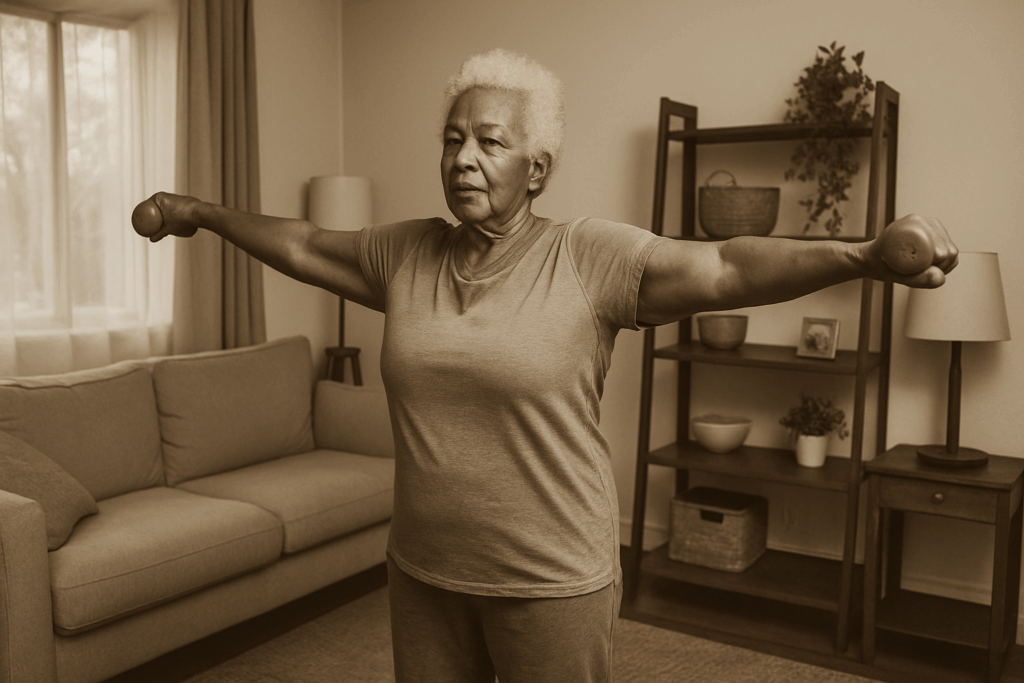
Why Sitting Too Much Is a Problem
Long hours spent sitting may feel harmless especially if you’re staying mentally busy but the impacts on your body and mind can be surprisingly serious over time. From sluggish energy to long term health risks, a sedentary lifestyle builds up unseen consequences.
The Hidden Toll on the Body
Modern work and leisure routines often involve sitting for most of the day. But beneath that stillness, several systems in your body are affected:
Heart health suffers: Reduced physical activity can lead to poorer circulation, higher blood pressure, and increased risk of heart disease.
Muscles weaken: Lack of movement means muscles, especially in the legs and core, aren’t getting the stimulation they need to stay strong and flexible.
Posture degrades: Slouching over desks or couches can lead to chronic neck and back pain, and long term structural imbalances.
Mental Health Isn’t Spared
Not moving enough also affects your brain:
Mood dips: Limited movement is linked to increased feelings of anxiety and depression.
Energy drops: Paradoxically, staying still makes you feel more tired, not less.
Focus declines: Without physical activity to stimulate your system, mental clarity can fade more quickly during the day.
Is It Time for a Check Up?
If you’re unsure how your lifestyle is affecting your health, it might be time to consult a professional. Whether you’ve noticed lingering discomfort, fatigue, or just want a clearer picture of your wellness:
A general health check can identify early signs of imbalance
Preventive care is always easier than recovery
Getting expert guidance can make your movement goals more effective and personalized
Small issues compound over time. Awareness is the first step toward change.
Micro Movements Count
Movement doesn’t always mean gym sessions or long workouts. You’ve got windows of time all day use them. Waiting for the kettle to boil? Roll your shoulders, stretch your hamstrings, open up your chest. It’s two minutes, but it adds up.
At your desk, stick to simple mobility: neck rolls, wrist circles, seated torso twists. These keep stiffness from setting in. No need to stand or make it a spectacle. Just keep the body in motion.
When the phone rings, walk. Around the room, down the hall, outside if you can. It spares your hips and helps your brain focus. Walking calls are underused, but low effort and effective.
And stack your habits. Park a little farther away. Choose stairs over elevators when it’s an option. Stand during meetings. None of it takes extra time you just thread it into your day.
The goal here isn’t a sweat session. It’s breaking the stillness. Regular, small movement is what most of us actually need to feel better.
Build Movement Into Your Routine
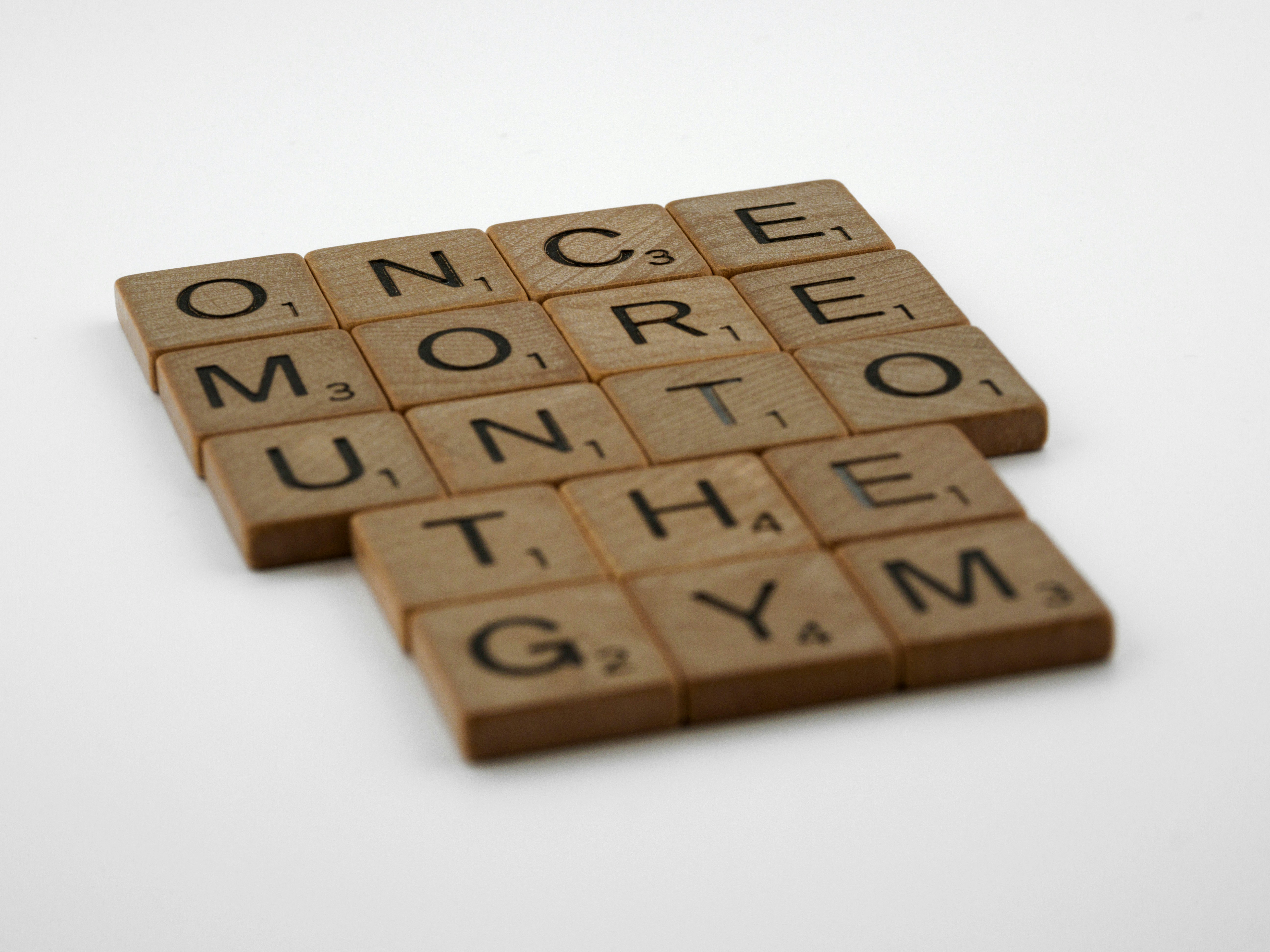
Getting more movement into your day doesn’t have to mean signing up for a HIIT class or buying gear you’ll use twice. Start with what you already have time, space, and the stuff you normally do.
Set a timer. Get up every hour and walk for five minutes. Around your space, outside, even just pacing the hallway. It sounds like nothing, but those micro breaks stack up helping circulation, reducing stiffness, resetting your focus.
Morning and evening stretching is another low lift habit. No gear, no mats, just 3 5 minutes of controlled movement. Wake up your joints at the start of the day, then decompress before bed.
Don’t overlook regular chores. Vacuuming, mowing, scrubbing the tub it all adds up. Gardening is basically a squat workout with fresh air. Do it with a bit of intention and it’s better than any treadmill.
And yes, you can move at your desk without becoming the weird one in your next Zoom call. Try ankle circles, shoulder rolls, even light spinal twists. No one sees you fidgeting, and your back will thank you. It’s not flashy, but it works.
Make It Easy to Stick With
Motivation fades. Systems stick. If you’re trying to move more, don’t rely on willpower set your environment up to do the heavy lifting. Use app reminders or your smartwatch to give you a gentle nudge every hour or two. It’s easy to ignore your body until it’s stiff; tech helps keep it front of mind.
Also, make movement something you actually look forward to. That playlist you save for workouts? Play it during a quick walk. Cue up a favorite podcast while you stretch or do a lap around your space. Pairing movement with something fun gives it staying power.
And whatever you do, track it. Doesn’t have to be fancy a streak on a calendar, a note in your phone, or an app that pings when you hit your goal. The important thing is this: consistency. Ten minutes daily beats an hour once a week. Your body won’t ask for perfection. Just keep showing up.
Know When to Take It Further
Light movement is a smart starting point, but it’s not always enough. Your body has ways of telling you when it needs more attention. Start paying closer attention if basic stretches or walks leave you feeling more drained than energized.
Lingering soreness that doesn’t ease up after rest? Constant fatigue even after a decent night’s sleep? These could be signs your current routine isn’t cutting it. You might be dealing with underlying issues that movement alone won’t fix or you’ve hit a ceiling and need to level up.
Don’t guess. If you’re unsure whether what you’re feeling is normal, it’s worth checking in with a healthcare pro. They can spot patterns, flag concerns, and offer a bigger picture beyond your step count.
Bottom line: listen to your body. And if in doubt, always start with a general health check.
Wrap Up: Move a Little, Feel a Lot Better
There’s no perfect day to start moving more. Waiting for the stars to align less stress, more free time, new gear usually means nothing changes. Start with what you’ve got. One stretch. One walk. One break from the chair that feels like a win.
Perfection isn’t the goal. Your body responds to attention, not extremes. Listen to it. Give it a bit of movement each day and it’ll nudge you back with more energy, steadier mood, fewer aches. You don’t have to crush workouts. You just have to move gently, consistently, intentionally.
And when it comes to routines, forget what looks good on paper. Go with what you’ll actually do. If that’s dancing in your kitchen for four minutes every morning, that’s a win. The best routine is the one you won’t abandon.
Movement doesn’t have to be loud to be powerful. Start small, keep it real, and give your body the attention it’s been quietly asking for.