
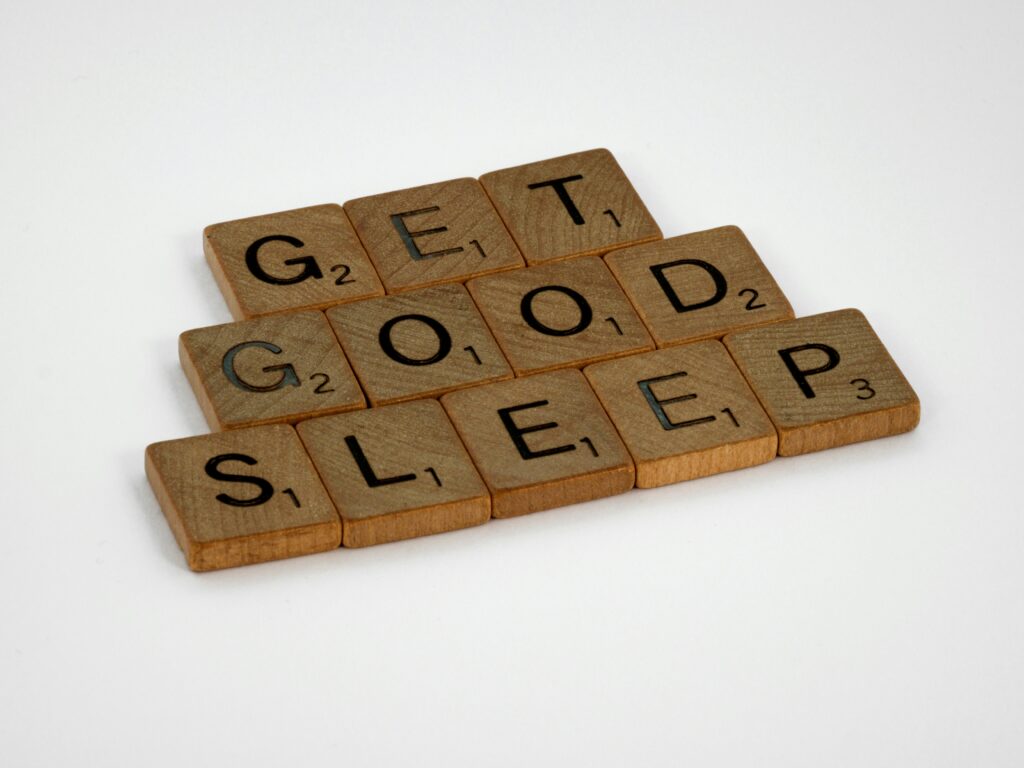
Why Sleep Isn’t Optional
Sleep isn’t just downtime it’s when the body does its real heavy lifting. Muscles repair, hormones reset, and your brain clears out mental clutter. Miss this window regularly, and things break down fast. Recovery slows. Focus slips. Even moods get messier.
Chronic sleep deprivation isn’t just uncomfortable, it’s dangerous. It’s tied to higher risks of heart disease, obesity, and a weaker immune system. The body runs on rhythms. Disrupt them enough, and long term damage follows.
On the mental side, sleep holds the keys to clarity, memory, and resilience. It’s the difference between reacting on impulse and responding with intention. A solid night’s sleep doesn’t just help you show up it helps you show up sharp.
Sleep and Physical Health Over Time
Sleep is when your body does silent, essential work. Deep, consistent sleep allows for tissue repair at the cellular level muscles recover, cells regenerate, and your immune system resets. It’s not flashy, but it’s foundational.
Cutting sleep corners over time doesn’t go unnoticed. Chronic deprivation ramps up inflammation, dulls insulin sensitivity, and slowly chips away at your body’s ability to regulate itself. The longer the debt builds, the harder your system has to work just to maintain basic functions.
Metabolically, sleep plays a lead role. Strained patterns throw off hunger hormones, increase fat storage, and zap energy levels before you’re even out the door. For anyone trying to stay lean, focused, or just not exhausted by noon, quality sleep isn’t optional it’s strategy.
Peak Performance Starts in Bed

Quality sleep isn’t just a wellness trend it’s a proven foundation for consistent, high level performance across careers and lifestyles. Whether you’re pushing physical limits, leading a team, or making split second decisions, optimal sleep is the silent partner behind sustained success.
The Hidden Weapon of High Performers
From elite athletes to tech CEOs and award winning creatives, sleep is no longer seen as a luxury it’s a non negotiable tool for energy and clarity.
Professional athletes schedule sleep with the same dedication as training
Business leaders protect their rest to maximize sharpness and stamina
Creative professionals rely on sleep to refuel imagination and insight
Why REM Sleep Matters
Your brain does some of its most important work while you sleep, especially during REM (rapid eye movement) cycles:
Enhances creative thinking and cognitive flexibility
Strengthens memory consolidation and learning
Supports emotional regulation and impulse control
Missing out on this phase can reduce your ability to adapt, solve problems, or think outside the box core skills in any high performance field.
Sleep: The Silent Performance Enhancer
Even minor sleep deficits can have measurable effects on your mental and physical capabilities:
Slower reaction times critical in sports, driving, and high stakes tasks
Poor decision making increasing risk in leadership and strategy
Mood instability fueled by lack of deep and REM level rest
In high performance environments, success often hinges on margins. Sleep helps protect those margins and build resilience for the long haul.
Tech That’s Changing the Game
Sleep optimization is moving far beyond alarm clocks and blackout curtains. Thanks to evolving technology, we’re able to track, understand, and improve sleep with data that was once only accessible through clinical studies.
Smarter Sleep with Apps
Today’s nighttime tracking apps provide more than just a breakdown of hours slept. These tools offer detailed analysis of:
Sleep cycles identifying time spent in REM, deep, and light sleep
Interruptions detecting wake ups, restlessness, and sleep disorders
Recovery trends revealing how rest affects your recovery over time
Real Time Feedback, Real Life Gains
By integrating real time data, these tools allow users to fine tune their sleep hygiene. This includes helpful features like:
Personalized bedtime recommendations
Mood and energy logging to find correlations between sleep and daily performance
Notifications to help maintain optimal wake up and wind down windows
The Power of Wearables
When paired with wearable devices, sleep tech becomes even more impactful. Devices can:
Track heart rate variability (HRV), body temperature, and movement throughout the night
Alert users to trends before they become health issues
Suggest actionable adjustments like when to wind down, what time to wake, or how caffeine or screen time affects your rest
Ultimately, sleep tracking is not just about numbers it’s about building habits that support mental clarity, physical performance, and long term health.
Small Shifts, Big Impact
Better sleep isn’t about perfection it’s about patterns. The first rule? Set your bedtime like you set a meeting: same time, every night, no excuses. That consistency helps your body know when to shut down and when to fire up.
Then there’s the setup. Dim the lights an hour before bed. Ditch screens blue light tells your brain it’s noon, not midnight. And keep your room cool. A few degrees lower signals your system that it’s time to wind down.
Want to level up? Use a nighttime tracking app to dial in your routine. Tools like these can tell you when you’re actually getting quality sleep vs. just turning off the lights and hoping for the best. Over time, the data doesn’t lie and it helps you build a sleep strategy that works for your body, not just the clock.
 Ask Tornis Dornhaven how they got into fitness routines and workouts and you'll probably get a longer answer than you expected. The short version: Tornis started doing it, got genuinely hooked, and at some point realized they had accumulated enough hard-won knowledge that it would be a waste not to share it. So they started writing.
What makes Tornis worth reading is that they skips the obvious stuff. Nobody needs another surface-level take on Fitness Routines and Workouts, Nutrition and Diet Guidelines, Health and Wellness Tips. What readers actually want is the nuance — the part that only becomes clear after you've made a few mistakes and figured out why. That's the territory Tornis operates in. The writing is direct, occasionally blunt, and always built around what's actually true rather than what sounds good in an article. They has little patience for filler, which means they's pieces tend to be denser with real information than the average post on the same subject.
Tornis doesn't write to impress anyone. They writes because they has things to say that they genuinely thinks people should hear. That motivation — basic as it sounds — produces something noticeably different from content written for clicks or word count. Readers pick up on it. The comments on Tornis's work tend to reflect that.
Ask Tornis Dornhaven how they got into fitness routines and workouts and you'll probably get a longer answer than you expected. The short version: Tornis started doing it, got genuinely hooked, and at some point realized they had accumulated enough hard-won knowledge that it would be a waste not to share it. So they started writing.
What makes Tornis worth reading is that they skips the obvious stuff. Nobody needs another surface-level take on Fitness Routines and Workouts, Nutrition and Diet Guidelines, Health and Wellness Tips. What readers actually want is the nuance — the part that only becomes clear after you've made a few mistakes and figured out why. That's the territory Tornis operates in. The writing is direct, occasionally blunt, and always built around what's actually true rather than what sounds good in an article. They has little patience for filler, which means they's pieces tend to be denser with real information than the average post on the same subject.
Tornis doesn't write to impress anyone. They writes because they has things to say that they genuinely thinks people should hear. That motivation — basic as it sounds — produces something noticeably different from content written for clicks or word count. Readers pick up on it. The comments on Tornis's work tend to reflect that.