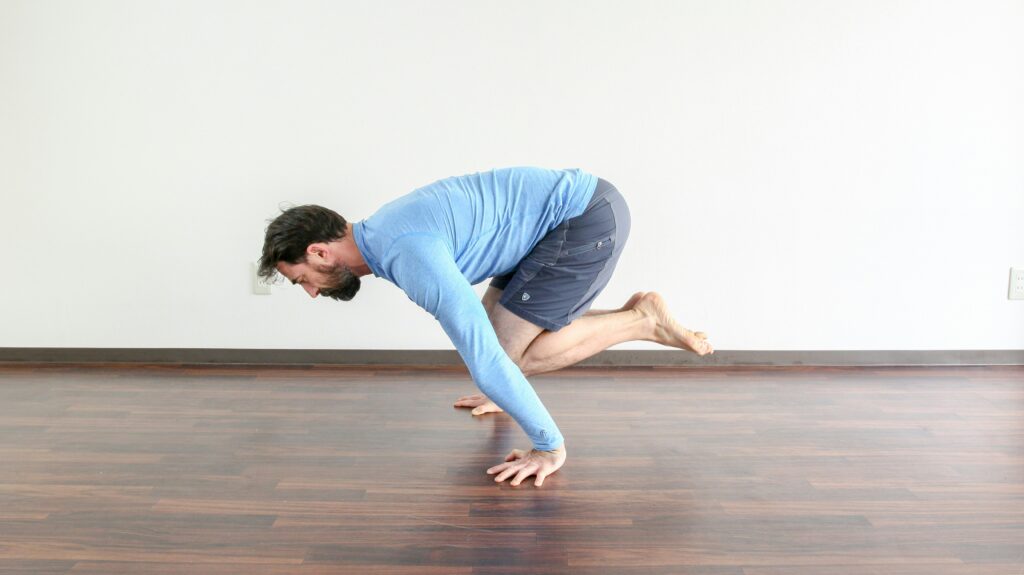

Why Flexibility Still Matters in 2026
Flexibility isn’t just for gymnasts or elite athletes it’s crucial for everyday health and injury prevention, especially in an increasingly sedentary world.
The Real Culprit Behind Desk Job Discomfort
For many people, tightness in the hips, shoulders, and lower back isn’t the result of intense exercise, but hours of sitting. These muscle imbalances can lead to chronic pain, poor posture, and reduced mobility.
Prolonged sitting leads to tight hip flexors and hamstrings
Shoulder and neck tension stem from poor desk posture
Lack of flexibility creates a higher risk for strains even during simple activities like reaching or bending
Long Term Benefits of Staying Limber
Stretching regularly does more than relieve tension. It sets the foundation for total body health.
Improved mobility: Stretching enhances how freely your joints move, making everyday actions smoother and safer
Better balance and alignment: Flexible muscles help maintain proper posture and prevent compensatory movements
Reduced risk of injury: Lengthened muscles absorb more force and reduce stress on joints
A Matter of Performance and Prevention
Whether you’re lifting weights, running errands, or chasing after your kids, flexibility plays a quiet but critical role.
Flexible muscles perform more efficiently and with less fatigue
Proper stretching improves circulation and muscle recovery
Better posture and mechanics mean fewer injuries over time
Developing and maintaining flexibility is one of the smartest health investments you can make in 2026 and it only takes a few daily minutes of intentional movement.
Daily Stretching: Short Time, Big Gains
You don’t need an hour and a yoga mat to make real progress. Ten to fifteen minutes of focused stretching, every day, can unlock stiff joints and improve your body’s overall range of motion. The key isn’t effort it’s consistency.
Timing matters. Stretch after your muscles are warm either post warm up or right after a workout. That’s when your body’s most ready for change. Stretch cold, and you’re asking for strain.
Also, know what you’re doing. Dynamic stretching think leg swings, arm circles, walking lunges gets you moving and is best used before a workout to prep the body. Static stretching, like holding a hamstring stretch or a deep quad lean, works better after your session, when muscles are warm and limber.
The combo builds flexibility without compromising safety. It’s not flashy, but it works. And over time, your body will thank you.
Simple Full Body Routine You Can Stick With
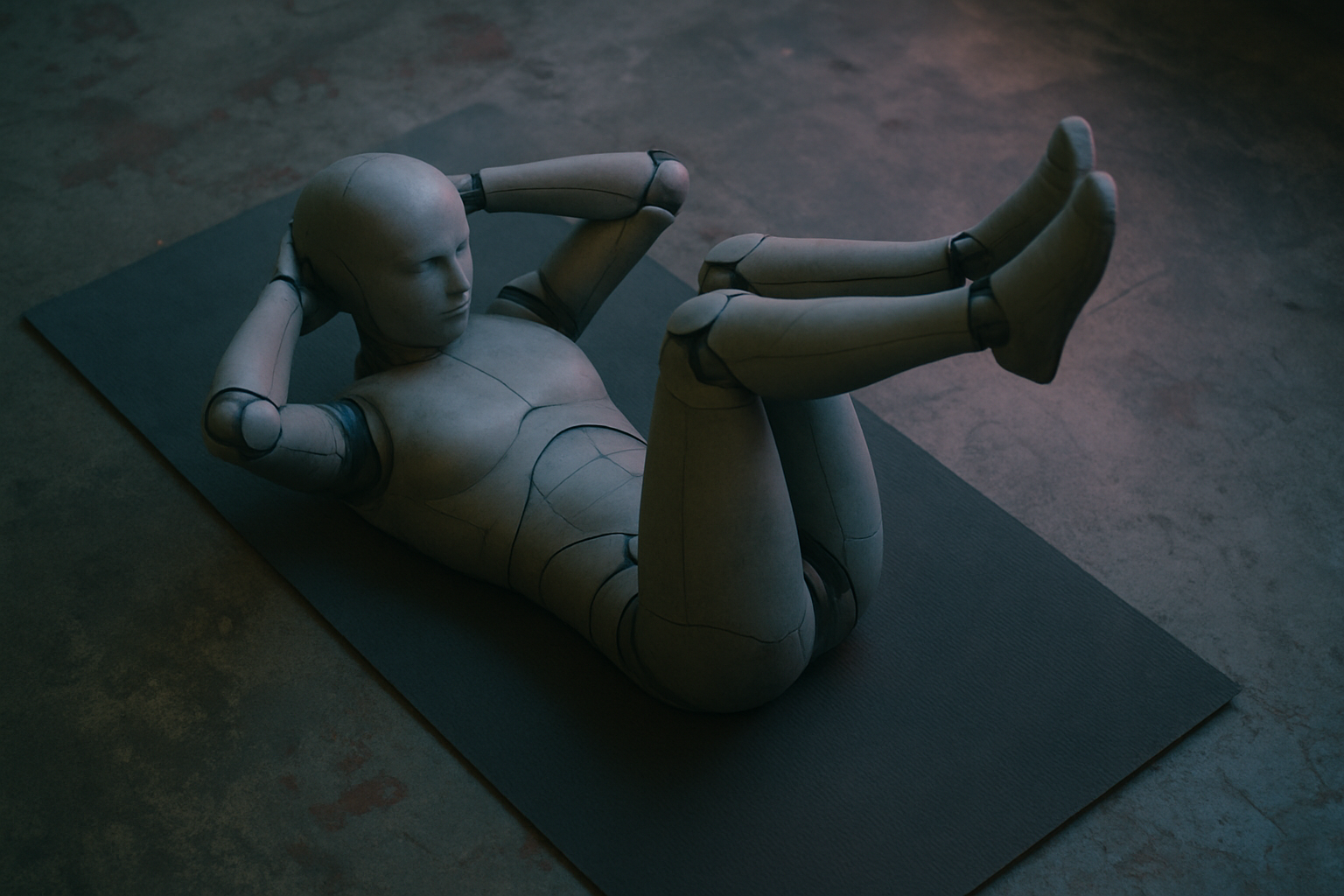
You don’t need a yoga mat or an hour of spare time. These quick stretches hit the major tension zones and keep your body running smoother, longer.
Start with neck rolls and shoulder shrugs. Most of us carry tension in the upper back without even realizing it. Slow circles with your neck and a few deliberate shoulder lifts can help release that built up pressure.
Next, go for chest and tricep stretches. These not only open up posture especially after hours of hunching over screens but also reset your breathing and range of motion through the upper body. Simple moves like clasping your hands behind your back or pulling one arm across your chest work better than they look.
Now shift focus to hip flexor and hamstring stretches. Tight hips are a hidden cause of lower back pain, and locked up hamstrings worsen it. A basic runner’s lunge with hip tilt and a standing forward fold go a long way. No fancy balance needed just intention and breath.
Finally, don’t skip your lower legs. Calf and ankle mobility is often ignored until something goes wrong shin splints, rolled ankles, general stiffness. Try heel drops off a step or ankle circles to keep things fluid and strong.
Tip: Hold each stretch for 20 30 seconds. Breathe deeply. Don’t rush. Nothing changes overnight, but small, consistent effort wins.
Pairing Mobility With Function
Stretching is a solid start, but if you stop there, you’re not getting the full benefit. Flexibility without strength is like a rubber band lots of give, but no support. To really move better and stay injury free, you have to work your range of motion under tension.
That means combining your stretches with strength based movements. A total body workout that needs no equipment can help you train muscles through their entire length. Think controlled squats, lunges, planks the basics done well and on purpose.
As you train, stay sharp on the details: control your pace, align your body properly, and activate the right muscles throughout each rep. This isn’t about maxing out lifts it’s about building resilience and fluid movement. Flexibility isn’t passive and when you train it with intention, it pays off everywhere else.
Smart Stretching Adds Up
Here’s the truth: most people only think about stretching after they’ve already pulled something. That’s too late. Regular stretching the kind that fits into your daily routine like brushing your teeth helps prevent strains before they ever show up. Whether you’re hitting the gym, chasing kids, or sitting for hours at a desk, flexibility reduces your risk of sudden tweaks and those lingering aches that creep in over time.
Stretching also gives you a quiet energy boost. It wakes up your nervous system, improves blood flow, and keeps muscular fatigue from hitting as hard, especially if your days mix physical activity with sitting in one spot for too long. Over time, these tiny breaks to reset your body can make a big difference in how you feel and perform mentally and physically.
No one’s saying you need to be a yogi. Stretching just needs to be consistent. A few deliberate moves each day, held with intention, become part of your foundation. Long term? You’ll feel looser, stronger, and far less likely to crumple under life’s sudden movements.
Stretch now so you’re not sidelined later.
Pro Tip for 2026
If you’re still winging your stretches, it’s time to get a bit smarter. Guided apps and virtual sessions are no longer just for beginners they’re a tool for personalization. The best ones ask a few quick questions (like where you feel tightness or what your activity level is) and deliver customized routines that actually make sense for your body. Less guesswork, more results.
Also, stop ditching stretches on your rest days. Recovery isn’t about doing nothing it’s about doing the right things to stay mobile and pain free. Gentle stretching on off days helps keep your muscles responsive, eases soreness, and preps you to move better tomorrow.
Consistency isn’t glamorous, but it works. Trust your body, build the habit, and let flexibility become part of your baseline health.