
Why Superfoods Still Rule in 2026
In a world of meal replacement powders and overhyped detox drinks, nutrient dense whole foods remain the quiet heavyweights. They’re not flashy, but they work. At a time when lifestyle diseases like diabetes, heart issues, and inflammation related conditions are rising fast, what you put on your plate each day matters more than ever.
The link between everyday food choices and long term health isn’t speculation it’s proven. Diets built around natural, unprocessed ingredients are associated with lower rates of chronic illness, improved mental clarity, and better recovery from stress. The body runs better on real fuel.
It’s easy to get distracted by fads, but the truth is simple: whole foods beat gimmicks. Berries over syrups. Greens over pills. Fish over freeze dried snacks. Superfoods might sound buzzy, but what defines them is substance density in nutrients per bite, not branding. Eating this way isn’t about being a purist. It’s about stacking daily habits in your favor.
Blueberries
Blueberries earn their spot on any top superfoods list with ease. They’re crammed with antioxidants especially anthocyanins that help reduce inflammation and oxidative stress. That might sound lofty, but what it really means is better brain function, sharper memory, and a boost in long term cognitive health.
Getting them into your routine doesn’t take a full pantry overhaul. A handful a day does the job. Eat them fresh when they’re in season. Keep a frozen bag in your freezer for smoothies or quick add ins to oatmeal. They blend well, pack a punch, and require zero prep. No excuses.
Whether you’re powering through deadline brain fog or just trying to eat smarter, blueberries are low effort, high return fuel.
Leafy Greens (Spinach, Kale, Swiss Chard)
Nutrient Powerhouses Worth Adding Daily
Leafy greens like spinach, kale, and Swiss chard pack a nutritional punch without the calorie load. Just one serving adds a wide range of critical vitamins and minerals to your diet.
Key nutrients found in leafy greens:
Iron Essential for healthy blood and energy levels
Calcium Supports strong bones and proper muscle function
Fiber Promotes digestive health and keeps you full longer
Vitamins A, C, and K Strengthen immunity, protect eyesight, and support blood clotting
How to Eat Them
These greens are versatile and can easily be added to meals without much prep. Their mild to slightly bitter flavors work well in both raw and cooked forms.
Simple prep ideas:
Toss fresh spinach or kale into salads for a quick nutrient boost
Lightly sauté Swiss chard with olive oil and garlic for a fast, flavorful side
Blend into smoothies for added fiber without overpowering the taste
Mix into soups, omelets, or grain bowls for extra texture and color
Salmon (Preferably Wild Caught)
Salmon holds its ground as a top tier superfood thanks to its high levels of omega 3 fatty acids and clean, high quality protein. These nutrients support everything from cognitive health to joint strength and cardiovascular resilience. In a world stuffed with over processed nutrition shortcuts, salmon remains a whole, straightforward win for your daily plate.
But in 2026, smart choices are more critical than ever. Warming oceans and supply chain gaps have pushed mercury risk back into the conversation. Your best bet? Stick with wild caught Alaskan salmon or sockeye which tend to have lower mercury levels and are less likely to be farm raised in questionable conditions. If you’re buying frozen or packaged options, scan the source label, not just the marketing buzzwords. And remember: a couple of servings a week is plenty to reap the benefits without tipping the mercury scale.
Balance and sourcing matter. Salmon still deserves its spot on your plate but only if you choose it with care.
Quinoa
Quinoa isn’t just another health trend it’s a workhorse. As a complete plant based protein, it delivers all nine essential amino acids without relying on animal products. That makes it a nutrient dense staple for vegetarians, vegans, and anyone looking to clean up their protein sources.
It’s naturally gluten free, which is ideal for people with sensitivities or just trying to cut down on processed grains. Taste wise, it’s mild and slightly nutty, making it easy to slide into meals you already make. Swap it in for white rice, stir it into salads, or pair it with roasted veggies. It cooks fast, fills you up, and keeps your nutrition on point without overcomplicating your plate.
Walnuts
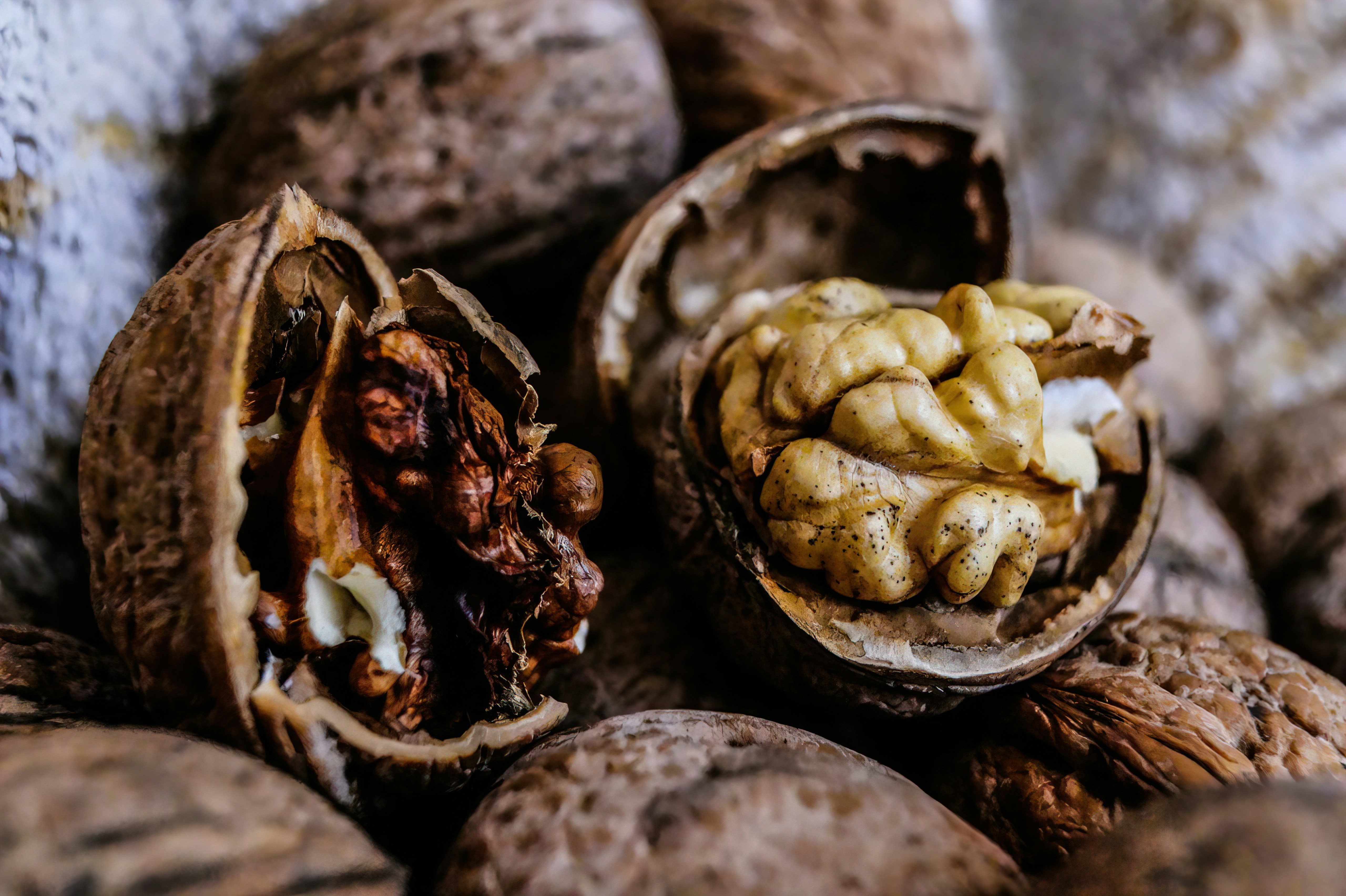
Why Walnuts Deserve a Spot in Your Diet
Walnuts are often considered a top tier brain food and for good reason. They are packed with nutrients that support cognitive health and fight inflammation throughout the body.
Nutritional Benefits at a Glance
Brain friendly fats: A rich source of plant based omega 3 fatty acids (ALA), which promote healthy brain function and mood regulation
Anti inflammatory compounds: Help reduce oxidative stress, a key factor in chronic aging related diseases
Protein and fiber: Keep you full longer and support a balanced diet
How Much Is Enough?
You don’t need a lot to get the benefits:
One small handful (about 1 ounce or 28 grams) per day is all it takes
Opt for raw or lightly toasted varieties to retain nutrients
Easy Ways to Enjoy
Sprinkle over morning oatmeal or yogurt
Add to salads for crunch and nutrition
Blend into homemade energy bars or pestos
Just remember: while nutrient rich, walnuts are calorie dense portion control is key to making them work for your goals.
Greek Yogurt
Greek yogurt continues to earn its superfood status for good reason. It’s a versatile, protein rich staple that supports gut health and adds creamy texture to both sweet and savory dishes.
Why It’s a Superfood
High in probiotics: Supports a healthy digestive tract by promoting beneficial gut bacteria.
Rich in protein: A single serving can have double the protein of regular yogurt.
Calcium and B12: Contributes to bone health and energy metabolism.
Choosing the Right Greek Yogurt
Not all yogurts are created equal many commercial options are loaded with sugar and additives. To get the best nutritional value:
Go for unsweetened versions: Avoid added sugars that can outweigh health benefits.
Choose full fat when possible: Healthy fats support satiety and hormone balance.
Read the label: Look for minimal ingredients ideally just milk and live active cultures.
Smart Ways to Use It
Greek yogurt is endlessly adaptable:
Add a scoop to smoothies for a creamy texture and protein boost
Use it as a substitute for sour cream or mayo in recipes
Stir in nuts, fruit, or chia seeds for a nutrient packed snack
It’s a small daily habit that can produce big results for both digestion and overall energy.
Turmeric
Turmeric has been doing the heavy lifting in natural health circles for years and with good reason. Its active compound, curcumin, is a natural anti inflammatory that’s been shown to support joint health, reduce oxidative stress, and even aid digestion when taken regularly. No, it’s not a miracle fix. But as part of a consistent diet, it pulls its weight.
Turmeric plays well with others, especially in the kitchen. Sprinkle it into soups for an earthy depth, blend it into smoothies for a color pop and subtle kick, or go classic with golden milk just add black pepper to boost curcumin absorption. It’s the kind of ingredient that works behind the scenes to keep your system balanced.
Simple, versatile, and proven. That’s what makes turmeric a superfood worth keeping in rotation.
Avocados
Avocados don’t mess around they’re packed with monounsaturated fats, fiber, potassium, and vitamin E. Just half of one adds real nutrition density to any meal. The fats they carry aren’t the kind you fear they’re the kind that keep your heart solid, your energy steady, and your hunger in check.
The trick is catching them at peak ripeness. Too hard and it’s like slicing a rock. Too soft and it’s mush city. For best results, ripen at room temperature until the skin darkens slightly and it yields to light pressure. Want to speed it up? Toss it in a paper bag with a banana. Once ripe, store in the fridge to slow down spoiling. If you’ve only used half, rub the unused side with lemon juice and keep the pit in it buys you another day.
In short: get good at the timing, and avocados will deliver every time.
Sweet Potatoes
Sweet potatoes pack more than just comfort they’re a nutritional workhorse. Rich in beta carotene (a precursor to vitamin A), fiber, and vitamin C, they support immune health, digestion, and skin function. The best part? They don’t need a lot of fuss to be delicious.
Skip the overly sweet casseroles and stick to simple prep: roasting brings out their natural caramel sweetness, mashing makes them a creamy side dish, and baking keeps things clean and satisfying. Want a fast option? Chop, toss in olive oil, add salt, and roast until the edges crisp. Sweet potatoes don’t just fill you up they fuel you right.
Chia Seeds
Chia seeds may be tiny, but they deliver a powerful nutritional punch, making them one of the most versatile and impactful superfoods of 2026. They’re an easy, no fuss addition to nearly any meal.
Why Chia Seeds Matter
Chia seeds are loaded with a unique trio of nutrients that support energy, digestion, and cellular health:
Omega 3 fatty acids: Help support heart and brain function
Fiber: Promotes digestive health and keeps you full longer
Plant based protein: Supports muscle recovery and metabolic health
How to Add Them to Your Day
Incorporating chia seeds into your meals doesn’t require cooking or prep work. Just sprinkle and go:
Add a tablespoon to your morning smoothie for an easy nutrient boost
Stir them into oatmeal or yogurt for added texture and satiety
Make chia pudding by soaking a few tablespoons in almond milk overnight, then topping with fruit and nuts
Quick Tips for Best Results
Hydrate for better digestion: Soaking chia seeds before consuming may improve absorption and reduce bloating
Store in a cool, dry place: Keep seeds fresh longer by sealing them tightly and avoiding moisture
Chia seeds prove that even small changes can lead to big health wins.
How to Make Superfoods Work for You
Incorporating superfoods into your daily routine doesn’t have to mean a total diet overhaul. With a few smart strategies, you can make these nutrient dense ingredients a consistent (and enjoyable) part of everyday meals.
Focus on Variety, Not Perfection
Superfoods offer diverse health benefits, but no single food does it all. Instead of stressing over daily servings of every item, aim to rotate different superfoods across your weekly meals.
Mix and match throughout the week to cover nutrient bases
Incorporate seasonal options when available for freshness and cost effectiveness
Think balance pair greens with proteins, fats with fiber, and colors across the plate
Combine for Better Nutrient Absorption
Some superfoods become even more powerful when paired together. A little food science goes a long way:
Turmeric + Black Pepper: Piperine in black pepper boosts curcumin absorption dramatically
Leafy Greens + Healthy Fats: A drizzle of olive oil can help your body absorb fat soluble vitamins A, D, E, and K
Chia Seeds + Liquid: Letting them soak beforehand unlocks easier digestion and nutrient release
Be Label Smart
Not all “healthy” food labels tell the full truth. Superfoods in packaged form can lose their benefits when paired with added sugars, preservatives, or unnecessary fillers.
What to watch out for:
Added sugars in yogurts, granola mixes, or protein bars
Misleading terms like “natural” or “low fat” that aren’t always better
Ingredient order the first few items make up most of what’s inside
Take time to read the fine print. Your health might depend on it.
For a deep dive: How to Read Nutrition Labels Effectively