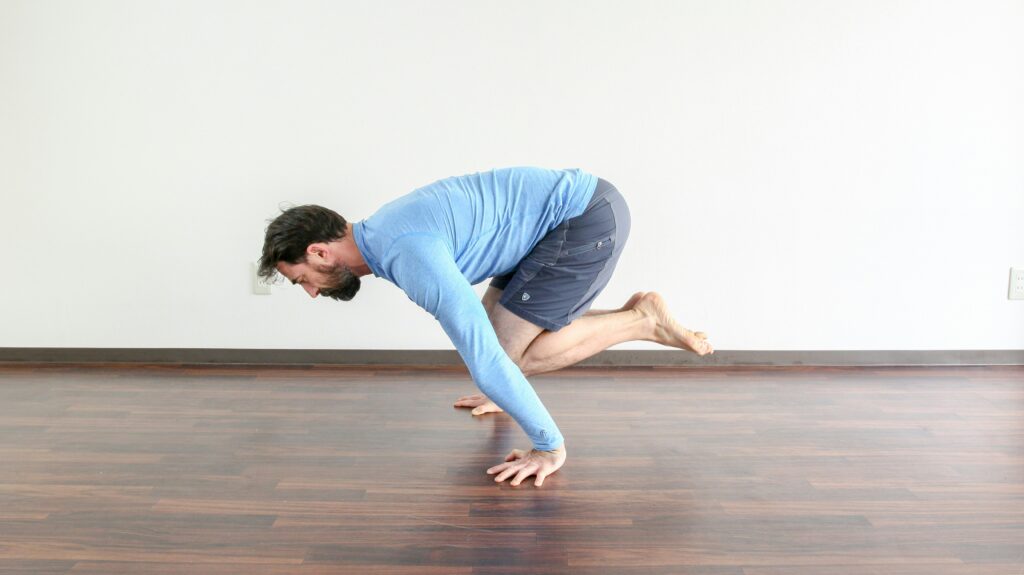
Why Flexibility Still Matters in 2026
Flexibility isn’t just for yogis or gymnasts. It’s the foundation of nearly every movement your body makes whether you’re lifting weights, loading groceries, or just getting off the couch. Enhanced mobility means your body moves more efficiently. That translates to better performance in your workouts and less effort in daily life.
As we age, tight muscles and joint stiffness become more than just minor annoyances they increase the risk of injury. Stretching helps keep movement patterns smooth and joints supported, reducing strain and keeping you active longer.
Plus, stretching improves posture, circulation, and even mental clarity. Releasing tension from the body has a domino effect: your blood flows better, your body aligns more naturally, and your stress levels drop. Bottom line flexibility isn’t just a fitness bonus. It’s a core pillar of long term health.
Standing Hamstring Stretch
This one’s a classic and for good reason. The standing hamstring stretch hits the back of your legs, lower back, and calves all in one clean move. It’s simple, effective, and doesn’t require any equipment.
To do it right, stand up straight and hinge forward at the hips. Not the waist keep your spine long. Reach for your toes. If you’re tight or just getting started, a slight bend in the knees is perfectly fine. No one gets bonus points for locking out and pulling something.
The key here is to breathe into the stretch. Feel the tension ease with each exhale. And whatever you do, don’t bounce that’s an easy way to strain a muscle. Hold it steady for 20 to 30 seconds per leg. You’ll loosen up fast, especially if you’re doing this consistently.
Cat Cow Stretch (Dynamic)
This one’s a classic for a reason. The Cat Cow stretch targets your spine, back, and neck areas that get tight fast if you sit a lot or lift heavy. Start on all fours in a tabletop position. Inhale deeply as you drop your belly and lift your chest this is the “cow” part. Then exhale as you tuck your chin and round your spine toward the ceiling this is the “cat”. Move slowly and connect each movement with your breath.
Besides feeling pretty great, this stretch is a smart way to prep your body for intense workouts like weight training or HIIT. It gets your spine moving, boosts circulation, and gently wakes up your system without overloading it. Want to make it part of your warm up? It pairs well with this Beginner’s Guide to High Intensity Interval Training (HIIT).
Butterfly Stretch
This stretch is simple, but effective, especially for targeting stiff hips and tight lower backs. Sit on the ground and bring the soles of your feet together in front of you. Let your knees fall outward like opening a book. Don’t force them gravity will do the work.
Keep your spine straight. Don’t cave forward to chase depth that defeats the purpose. If you want more intensity, use your elbows to gently press down on your knees, but ease into it. Nothing should feel sharp or strained.
This one’s great post workout or after sitting too long. Easy setup, solid results.
Seated Spinal Twist
Targets: Spine, shoulders, hips
Long hours at a desk or glued to a screen? This one’s for you. The seated spinal twist is simple, quiet, and seriously effective. Sit on the floor with your legs stretched out. Cross your right foot over your left thigh, placing it flat on the ground. Bend your left leg if you’d like for extra comfort. Now, twist your torso to the right, placing your right hand behind you for support and your left elbow on the outside of your right knee for leverage.
Keep your spine tall don’t slump. Breathe steady and twist deeper with each exhale. Hold for 20 30 seconds, then switch sides. Great for opening up the back and hips after a day of poor posture. Do it regularly to balance flexibility along your spine and reset your shape after hours of sitting.
No gear, no noise, no excuse.
Lunge with Side Reach
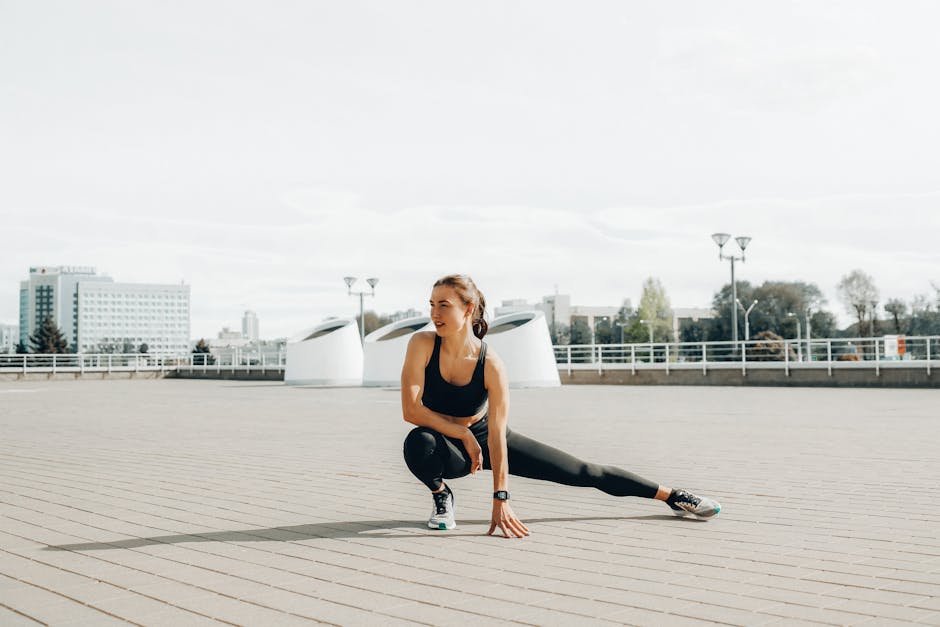
This stretch hits the hip flexors, quads, and obliques all at once exactly where most of us are tight. Start by stepping one foot forward into a deep lunge position. Keep your back leg straight and heel lifted. Raise both arms overhead, then slowly reach toward the side of your front leg.
You’ll feel it instantly through your hips and the side of your core. Hold for 20 30 seconds, then switch sides. Use this as a dynamic warm up before training or a recovery move after a long run. It’s simple, effective, and doesn’t waste time.
Final Tips to Get the Most from Stretching
Make It a Habit
Flexibility doesn’t improve overnight it takes regular, intentional effort. If you’re serious about gaining mobility and preventing injury, aim to stretch consistently:
Frequency matters: Stretch at least 3 to 5 times per week to notice meaningful gains.
Start small: Even 10 15 minutes a day can add up over time.
Warm Up First
Stretching cold muscles can increase your risk of strain. Prepping your body before diving into deep stretches ensures safety and better results.
Do 3 5 minutes of light cardio (like walking or jumping jacks).
Dynamic stretches (like leg swings or arm circles) can help increase circulation before longer holds.
Track Your Progress
Flexibility gains are subtle but steady. Tracking your range of motion can keep motivation high and help identify areas that need more attention.
Use a journal or mobility app to log which stretches you’ve done and how they felt.
Take monthly posture photos or videos to spot progress over time.
Stay Consistent
Results come from repetition. A few focused minutes each day can make a noticeable difference in how your body moves and feels.
Set calendar reminders or stack your stretching onto existing habits (like after brushing your teeth or post workout).
The more consistent you are, the more natural flexibility will feel.