Why Hydration Still Gets Overlooked in 2026
Despite increasing awareness around wellness, hydration remains one of the most underestimated elements of health. In 2026, many people still fall short of daily water needs not due to lack of water, but due to misinformation and overlooked signs.
Common Myths Leading to Dehydration
Believing you’re hydrated simply because you’re not thirsty? That’s one of several mistaken ideas still floating around. Here are a few persistent myths that cause people to unintentionally neglect their fluid intake:
“I’m not thirsty, so I don’t need water.”
Thirst isn’t always an accurate early indicator by the time you feel it, dehydration has already set in.
“Drinking other liquids is just as good.”
Sodas, coffee, and energy drinks are often dehydrating, not hydrating.
“Clear urine means I’m perfectly hydrated.”
While color can be a clue, it’s not the only hydration marker. Frequency, volume, and overall health context matter too.
Subtle Signs You’re Underhydrated
You may be more dehydrated than you realize, even without feeling obviously thirsty. Look for these often overlooked symptoms:
Brain fog or difficulty concentrating
Slight headaches, especially in the afternoon
Dry skin or lips
Fatigue that doesn’t resolve with sleep
Digestive issues like bloating or constipation
These signs can creep in gradually and become your new normal, unless hydration becomes a clear priority.
Hydration Quality: More Than Just Quantity
It’s easy to think keeping up with a daily water goal is enough, but what you drink and how your body absorbs it matters.
Filter matters: Tap water, bottled water, and filtered water can all vary in mineral content and purity.
Electrolyte balance: Staying hydrated means maintaining a functional ratio of sodium, potassium, and other nutrients.
Timing counts: Sipping water consistently through the day supports balance better than drinking large amounts all at once.
Staying truly hydrated means being intentional about both what and how you replenish fluids.
Make hydration conscious, not reactive. It’s a low effort habit that supports high impact wellness.
Physical Benefits That Stack Over Time
You don’t need to down a gallon a day to feel the difference. Even moderate, consistent hydration quietly reinforces key parts of your body’s daily grind.
First stop: digestion. Water helps break down food, keeps waste moving, and prevents that sluggish, bloated feeling. Without enough of it, your gut has to work harder, and everything slows down. Energy dips, not because you didn’t sleep, but because your body’s stuck in first gear.
Metabolism? Same deal. Hydration doesn’t turn you into a calorie burning machine overnight, but it keeps the engine efficient. Blood flows cleaner, oxygen gets where it needs to go, and your cells get better at doing their job. You feel better getting out of bed and recovering after a workout.
Then there’s immune function and detox. Your lymph system transports immune cells, and it relies on hydration to stay mobile. Your kidneys filter out waste if they don’t have enough water, toxins linger longer. This isn’t just theory. Drink more water, and you’re less likely to get dragged down by minor colds, sluggishness, or those weird mid week headaches.
Finally, the quiet wins: skin smooths out. Joints feel less creaky. Muscles bounce back faster because they’re better hydrated at a cellular level. These aren’t flashy results, but over time, they add up especially if you’re aging, pushing yourself physically, or just trying not to feel like crap halfway through the workday.
Cognitive and Emotional Balance
Water doesn’t get enough credit for its role in keeping your brain firing on all cylinders. The connection is direct: even slight dehydration think just 1 2% can lead to sluggish thinking, irritability, and trouble concentrating. You don’t need to be parched for your brain to be off balance.
Hydration impacts everything from focus to how well you sleep. It regulates body temperature, blood flow, and even the speed at which neurons communicate. If you’re crashing in the afternoon, snapping at things that normally wouldn’t bug you, or staying wide awake at 3 a.m. you might be under hydrated, not overworked.
The good news? Fixing it is stupidly simple. Add one extra glass of water between meals. Start your day with water before coffee. Cut back on dehydrating habits like endless cups of black tea or salty snacks. Small, practical tweaks can seriously sharpen your outlook and performance.
Clearer thinking, better mood, deeper rest. It doesn’t sound revolutionary, but for your brain, it is.
How to Build a Hydration Habit
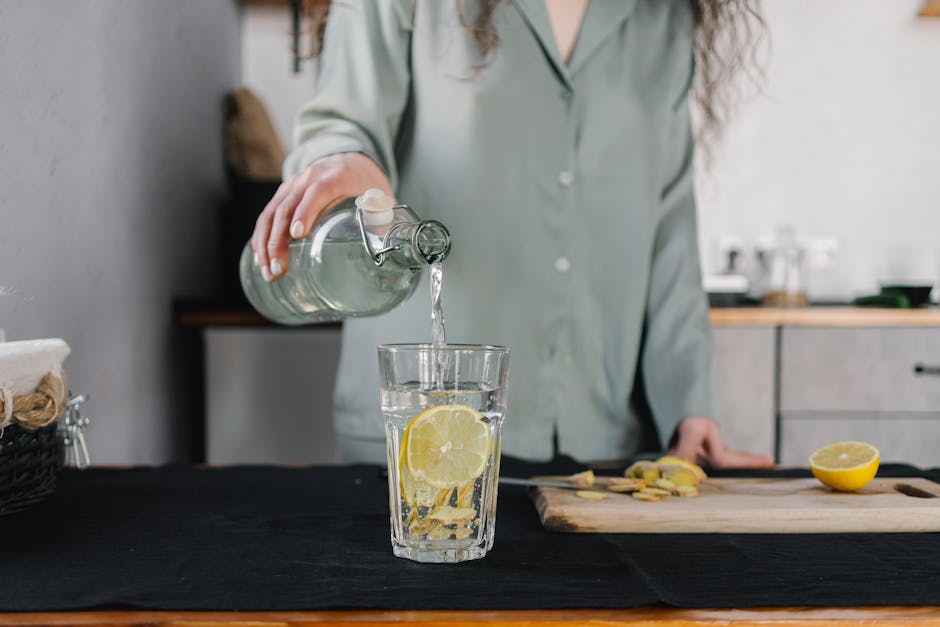
Staying hydrated isn’t just about knowing the benefits it’s about turning that knowledge into daily action. The key is to make hydration a consistent, low effort part of your regular routine.
Know Your Number
Forget the one size fits all “eight glasses a day” approach. Your hydration needs depend on several personal factors:
Body weight and activity level: More movement = more fluid loss
Environment: Hot or dry climates can increase water loss
Diet: High protein or salty meals may require more hydration for balance
Health conditions: Some medications or conditions may impact how much water you need
Start by tracking your intake for a few days and see how you feel, rather than aiming for arbitrary goals.
No App Ways to Remember to Drink
You don’t need a gadget or app to make hydration automatic. Try these simple, sustainable practices:
Pair drinking water with existing habits (e.g., every time you brush your teeth or make coffee)
Use visual triggers: Keep a filled water bottle on your desk or next to your keys
Set manual check ins: Think of regular break moments where hydration fits naturally
Choose the right container: A bottle you enjoy using makes the habit more satisfying
Weaving Hydration Into Your Day
Hydration works best when it’s part of a broader wellness rhythm. Consider how to integrate it into what you’re already doing:
Add a glass of water when taking supplements or vitamins
Start meals with a few sips to support digestion
Choose hydrating habits during downtime like sipping herbal tea while reading
Build hydration into movement practices, like yoga or walking
For more ways to connect hydration with healthy routines, see everyday wellness habits here.
Building a hydration habit doesn’t have to feel like effort. Done right, it becomes part of who you are not just something you check off a list.
Beyond Just Water
Hydration isn’t just about chugging from a bottle marked with motivational quotes. Plenty of what you eat (and some of what you drink) quietly chips in. Fruits like watermelon, oranges, and strawberries? Loaded with water. Same goes for vegetables like cucumber, celery, and lettuce. Even herbal teas think chamomile, peppermint, rooibos offer a hydrating bonus, especially when consumed without caffeine or added sugar.
Then there’s the question of all the other liquids people lean on. Sparkling water? Still counts, unless you’re doubling up on sodium or additives. Electrolyte mixes? Useful, especially if you’re working out hard or sweating a ton but don’t confuse them with a green light to overconsume. Not all hydration boosts are equal, so look at the label and ask yourself why you’re reaching for it.
Speaking of overconsumption it’s rare, but yes, you can overhydrate. If you’re drinking nonstop, ignoring hunger, or ending the day feeling weirdly bloated or lightheaded, it might be time to cut back. The key is paying attention to your body’s cues: thirst, energy levels, even the color of your urine. Hydration supports wellness best when it’s steady, varied, and tuned to your actual needs.
Mistakes People Are Still Making in 2026
Some hydration myths just won’t die.
First up, the idea that coffee or soda somehow “balances out” dehydration. Yes, they contain water. No, they’re not a solid hydration plan. Caffeine and sugar may pull more water out of your system than they put in. It’s like pouring water into a bucket with a small hole it helps, but not enough. If those drinks dominate your day, you’re still running at a fluid deficit.
Then there’s the “only drink when you’re sweating” crowd. Waiting for workouts or heat waves to prompt hydration is like waiting for an empty gas tank to fill itself. Thirst isn’t always reliable. By the time you feel it, you’re already behind. Daily hydration matters every single day desk job or marathon, summer or snow.
Aging, medications, and activity level change the game too. Water needs don’t stay static. If you’re on certain meds, over 50, breastfeeding, or just ramping up your training, your baseline fluid needs go up. Ignoring that is like trying to use your teenager’s phone charger on a laptop wrong source, wrong dose.
The fix isn’t complicated. It just takes attention. Recognize these blind spots, and your hydration habit will actually start working for you.
Bottom Line: Hydration as a Wellness Multiplier
Don’t Underestimate the Basics
Hydration might not come with the hype of the latest fitness trend or supplement, but its impact runs deeper than most people realize. It’s the quiet foundation for nearly every bodily function from digestion and energy to brain health and emotional stability.
Think of hydration as the underlying support system for all other wellness efforts
You might not “feel” dehydrated, but your body still notices
Skipping water can diminish the benefits of your diet, sleep, and exercise routines
The Power of Consistency
Mindful hydration isn’t about chugging water all at once or hitting arbitrary numbers it’s about building rhythm and awareness. Making water intake a regular part of your day can magnify the effects of everything else you do for your health.
Establish small rituals around drinking water (e.g., morning glass, meal based intake)
Pay attention to thirst signals but don’t wait for them to start hydrating
Adjust your habits based on your lifestyle not just the weather
Start Simple, See Results Fast
You don’t need a full hydration tracker to get started. Just one intentional change can yield clear mental and physical differences within days.
Add an extra glass of water before your morning coffee
Swap a soda or second coffee for herbal tea or sparkling water
Eat more water rich foods like cucumbers, berries, or melons
Even a minor shift can improve mental clarity, reduce fatigue, and make your body feel more supported. Hydration is a subtle but powerful way to unlock better health starting now.