Why More People Are Going Plant Based in 2026
Plant based eating isn’t a fringe movement anymore it’s mainstream. As of late 2025, over 12% of adults in the U.S. identify as either vegan or vegetarian, with an even larger group about 30% actively reducing meat consumption in favor of more plant forward meals. Globally, countries like the UK, Germany, and Australia are seeing similar trends, with plant based product sales surging year over year.
What’s behind the shift? It’s not just about kale and quinoa. Social awareness is a big driver documentaries, influencer campaigns, and sheer access to better plant based options have normalized the lifestyle. Ethics come into play too, with concerns about factory farming, animal welfare, and the environmental cost of meat production fueling change. Feeding a growing population without collapsing the climate? Plants look like a practical answer.
On the health side, the science is adding up. Studies link plant based diets to lower rates of heart disease, reduced inflammation, improved cholesterol levels, and longer lifespans. Organizations like the American Heart Association and WHO now recognize plant rich diets as a legitimate path to better long term health not just trend eating. In short: the data backs the buzz.
The Health Benefits Backed by Science
Let’s keep it straight: a well planned, plant based diet isn’t just a trend it’s solid science. Studies continue to pile up showing that shifting your plate toward plants can help cut your risk of heart disease, obesity, and type 2 diabetes. These aren’t fringe claims, either; major health organizations are backing this up.
Fiber, antioxidants, phytonutrients that’s the trio powering gut health and digestion. Plant focused meals feed your microbiome (the good gut bacteria), which has ripple effects across energy, immunity, and even mental clarity.
You’re also packing in nutrients without calorie overload. Leafy greens, legumes, whole grains they let you fill up and fuel well without triggering blood sugar spikes or putting stress on your metabolism.
And long term? Eating this way supports cellular health and reduces inflammation, two factors closely tied to aging and chronic disease. People eating mostly plants tend to live longer and better. That’s not hype, it’s data.
Getting the Nutrients Right
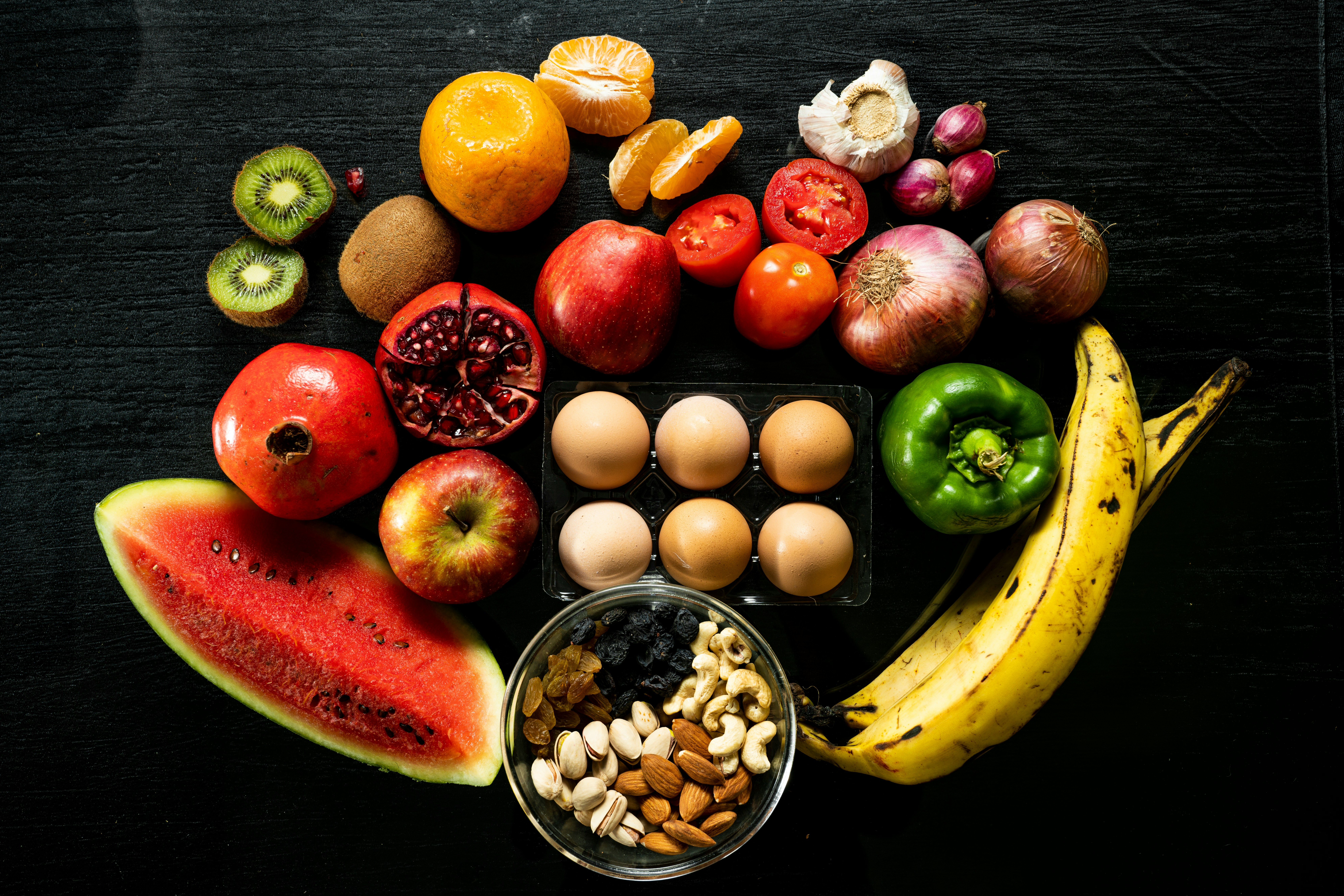
Eating plant based isn’t just about swapping meat for tofu. If you want to thrive, not just survive, you’ll have to be intentional. Five nutrients need special attention: vitamin B12, iron, omega 3 fatty acids, calcium, and protein.
B12 doesn’t naturally occur in plant foods, so supplementation or fortified foods are non negotiable. Iron? You’ll find it in lentils, spinach, and black beans but boost absorption with vitamin C rich foods like citrus or bell peppers. Omega 3s get trickier, but flaxseeds, chia seeds, walnuts, and algae based oils cover your bases.
Calcium is doable think fortified plant milks, tahini, tofu set with calcium, and dark leafy greens. Protein, contrary to myths, isn’t hard to get. Mix sources: legumes, hemp seeds, quinoa, whole grains, and soy products. Variety is your best bet.
To meet your macronutrient needs on a plant only diet, focus on building balanced meals. Combine carbs, fats, and proteins in every dish. Avoid the trap of eating only bread or fruit all day. The goal is fuel, not filler.
Read more: Understanding Macronutrients: A Balanced Diet Breakdown
Realistic Tips for Going Plant Based
Starting a plant based diet doesn’t mean turning your life upside down. Begin with smart, low friction swaps. Trade cow’s milk for oat, almond, or soy whichever you’ll actually use. Skip deli meats in favor of roasted chickpeas or baked tofu. Try plant based burgers or lentil loaf in place of red meat. The key is practicality: choose substitutes you’ll reach for without thinking.
Grocery shopping gets easier when you have a system. Stick to the perimeter of the store produce, grains, legumes, frozen vegetables. Read labels on packaged items; not everything marketed as “plant based” is healthy. Build a flexible shopping list based on meals you plan to actually cook and eat, not just what feels aspirational.
Batch cooking is your best friend. Make a double portion of lentil stew or baked sweet potatoes and use them across multiple meals. Prep chopped veggies and store them for quick access. If you can spare two hours on a Sunday, you’ll shave daily meal stress down to minutes.
Avoid rookie pitfalls. The biggest mistake? Not eating enough protein, or relying too heavily on fake meats and frozen meals. A solid plant based diet still has to be balanced. Beans, legumes, tofu, tempeh, seeds, and nuts carry their weight. Pay attention to your plate and don’t let convenience sabotage nutrition.
Keep it simple. Keep it consistent. Then build from there.
Sample Meal Plan: 1 Day Plant Powered Nutrition
This sample day keeps it clean, simple, and satisfying no fuss, just solid nutrition.
Breakfast: Start with overnight oats. Mix rolled oats, chia seeds, and a scoop of almond butter in a jar with plant milk. Let it sit overnight. In the morning, top it with a handful of fresh or frozen berries. It’s quick, hits all the macros, and keeps you full until lunch.
Lunch: A chickpea salad wrap brings the crunch. Smash up some chickpeas with a bit of mustard, lemon, and garlic, then fold in diced celery and carrots. Spoon it into a whole grain wrap with a layer of hummus and mixed greens. Zero cooking required, and it travels well.
Snack: Keep it easy. Slice up an apple and pair it with peanut butter for protein and healthy fat. Not into that combo? Grab a small handful of almonds. Pick the one that fits your day.
Dinner: Lentil curry is the workhorse here. Simmer red lentils with garlic, onion, and some curry powder. Serve it over quinoa with a side of steamed broccoli. It’s hearty, nutrient rich, and meal prep friendly.
Bonus: If you’re still hungry or just want something warming, go for a light smoothie or a cup of herbal tea. Something simple nothing too heavy before bed.
This plan isn’t flashy, but it works. Balanced, plant based, and doable.
Wrapping It Up: Start Where You Are
Going plant based doesn’t mean flipping a switch overnight. There’s no medal for diving in headfirst and getting overwhelmed. In practice, the most sustainable changes happen gradually. Maybe it starts with swapping cow’s milk for oat, or going meatless a couple nights a week. That’s progress.
The key isn’t perfection it’s showing up with some consistency. Build habits that stick. Cook what you actually enjoy. If a certain recipe doesn’t work for you, scrap it and try another. Over time, your meals evolve, your grocery list shifts, and the whole thing becomes second nature.
Everyone’s version of plant based looks a little different. Keep tinkering until you find what fits. If the routine feels rigid or joyless, you’re doing it wrong. Flexibility keeps it real and makes it last.
 Marken Taylorils has opinions about nutrition and diet guidelines. Informed ones, backed by real experience — but opinions nonetheless, and they doesn't try to disguise them as neutral observation. They thinks a lot of what gets written about Nutrition and Diet Guidelines, Expert Health Insights, Health and Wellness Tips is either too cautious to be useful or too confident to be credible, and they's work tends to sit deliberately in the space between those two failure modes.
Reading Marken's pieces, you get the sense of someone who has thought about this stuff seriously and arrived at actual conclusions — not just collected a range of perspectives and declined to pick one. That can be uncomfortable when they lands on something you disagree with. It's also why the writing is worth engaging with. Marken isn't interested in telling people what they want to hear. They is interested in telling them what they actually thinks, with enough reasoning behind it that you can push back if you want to. That kind of intellectual honesty is rarer than it should be.
What Marken is best at is the moment when a familiar topic reveals something unexpected — when the conventional wisdom turns out to be slightly off, or when a small shift in framing changes everything. They finds those moments consistently, which is why they's work tends to generate real discussion rather than just passive agreement.
Marken Taylorils has opinions about nutrition and diet guidelines. Informed ones, backed by real experience — but opinions nonetheless, and they doesn't try to disguise them as neutral observation. They thinks a lot of what gets written about Nutrition and Diet Guidelines, Expert Health Insights, Health and Wellness Tips is either too cautious to be useful or too confident to be credible, and they's work tends to sit deliberately in the space between those two failure modes.
Reading Marken's pieces, you get the sense of someone who has thought about this stuff seriously and arrived at actual conclusions — not just collected a range of perspectives and declined to pick one. That can be uncomfortable when they lands on something you disagree with. It's also why the writing is worth engaging with. Marken isn't interested in telling people what they want to hear. They is interested in telling them what they actually thinks, with enough reasoning behind it that you can push back if you want to. That kind of intellectual honesty is rarer than it should be.
What Marken is best at is the moment when a familiar topic reveals something unexpected — when the conventional wisdom turns out to be slightly off, or when a small shift in framing changes everything. They finds those moments consistently, which is why they's work tends to generate real discussion rather than just passive agreement.