
What Macronutrients Actually Are
When it comes to fueling your body, calories are part of the picture but they don’t tell you the whole story. What matters just as much, if not more, is where those calories come from. Enter the three macronutrients: carbohydrates, proteins, and fats. These are the heavy lifters in your diet, each serving specific and essential functions in your body.
Carbohydrates are the go to fuel source. Your body breaks them down into glucose, which feeds your brain and muscles during just about everything from scrolling on your phone to running a 5K. Proteins handle the structure side of things. Think muscle repair, hormone regulation, immune defense basically how your body maintains and rebuilds itself. Fats, often misunderstood, are vital for absorbing nutrients, supporting brain function, producing hormones, and storing energy for the long haul.
In short, your body runs on macros, not mystery math. A 500 calorie donut and a 500 calorie balanced meal hit your system in totally different ways. Understanding the role of each macronutrient is the first step to eating with intention instead of confusion.
Carbohydrates: The Primary Energy Source
Carbs are still the body’s go to energy source in 2026, but the way we talk about them has changed. Instead of just labeling them “simple” or “complex,” we’re looking at how they affect blood sugar, how processed they are, and how well they actually fuel your day. Simple carbs are usually fast burning think sugary cereals or white bread. They spike energy, but what goes up fast, crashes hard. Complex carbs like oats, quinoa, or lentils burn slower, keep you full longer, and don’t mess with your insulin response.
The good vs empty carb debate boils down to nutritional density. A sweet potato? Good carb. It brings fiber, vitamins, and steady energy. A frosted donut? That’s an empty carb. It might taste great, but it’s low on anything useful your body can hold on to. Check packaging for fiber, added sugars, and ingredient lists that read like science experiments. Fewer ingredients, closer to whole food those are your better bets.
As for how much to eat there’s no one size. But here’s a rule of thumb: if you’re constantly crashing, endlessly hungry, or dragging during workouts, you’re probably low. If you feel bloated, foggy, or crash after meals, it’s time to taper back. Carbs aren’t the enemy, but like anything in 2026, it’s about timing, quality, and portion. Treat your carbs like fuel, not filler.
Protein: The Body’s Repair Crew
Not all proteins are created equal. In 2026, “quality protein” most often means it hits two marks: a complete amino acid profile and high bioavailability (your body can actually use it efficiently). Think lean animal protein like eggs, chicken, fish, Greek yogurt. But plant based sources have leveled up, too. Thanks to blending like pea and rice protein together vegans can get the same muscle building bang as carnivores.
Comparing animal to plant in 2026? It’s less about which is better and more about which is better for you. Animal proteins still win on completeness and ease of absorption. But plant proteins step in stronger on sustainability and fiber content. Many are fortified now to close the gaps. A mix of both, if your diet allows, covers all bases.
Protein isn’t just about muscle. It’s a workhorse for your metabolism and hormones. It keeps you full longer, supports insulin sensitivity, and helps keep cortisol (that stress hormone) in check. Whether you’re rebuilding post workout or just trying to stay clear headed all day, quality protein does the heavy lifting. Literally and figuratively.
Fats: Friend, Not Foe
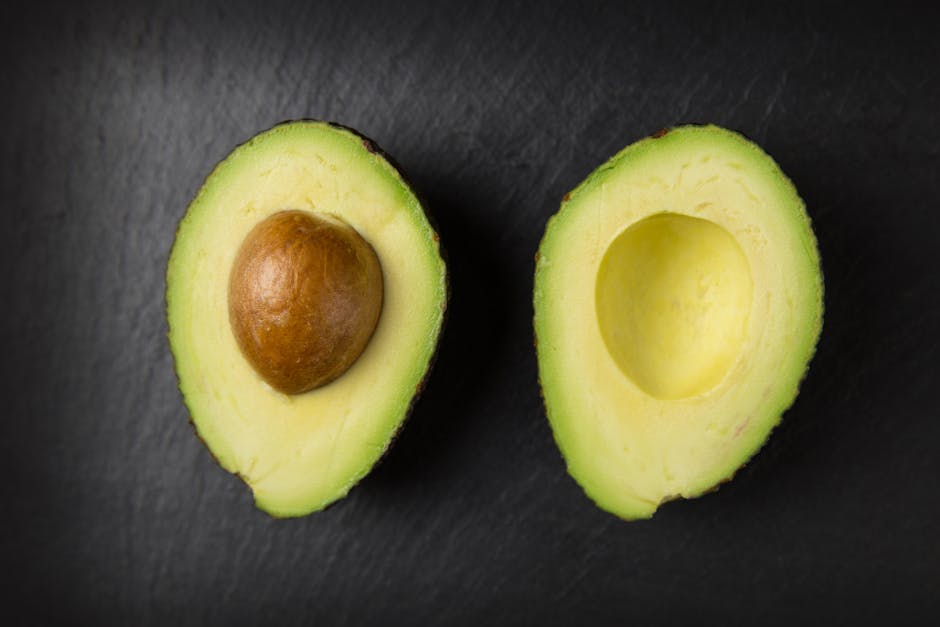
Let’s start here: eating fat doesn’t automatically make you fat. That myth had a long run in diet culture, but science has moved on and it’s time the conversation did too. Fat isn’t a villain. It’s a necessary, functional part of your daily diet.
There are different types of fats, and yes, they’re not all created equal. Saturated fats (found in things like butter, cheese, and red meat) have gotten a bad rap, but used in moderation, they’re not the enemy. Unsaturated fats think olive oil, avocados, nuts are generally better for heart health and should be your go to. Trans fats, on the other hand, are the ones to actually cut; they’re mostly found in heavily processed food and don’t really do your body any favors.
But beyond insulating your body or cushioning your organs, fats play a deeper role in performance and health. They’re essential for absorbing fat soluble vitamins A, D, E, and K and they’re a key fuel reserve when carbs run low. Your brain? It’s over 50% fat by dry weight. It needs healthy fat to function properly.
All that to say, cutting fat entirely isn’t smart or sustainable. The smarter strategy is knowing the difference between types of fat and eating them in balanced proportions. Fats aren’t the enemy they’re part of the crew.
How to Balance Your Macros for Real Life Eating
Creating a balanced approach to macronutrients doesn’t mean tracking every bite or getting lost in endless food charts. It’s about understanding what your body needs and building habits that work for your life, not against it.
Making Macro Ratios Work Without Obsessing
You don’t need to micromanage your meals to benefit from macronutrient awareness. The key is to aim for balance at a day to day or weekly level rather than trying to perfect every plate.
Start with common ratio guidelines (e.g., 40% carbs, 30% protein, 30% fats) but be flexible
Use visual cues: half your plate with veggies + carbs, a quarter with protein, a quarter with healthy fats
Don’t let perfect be the enemy of better consistency beats precision
Tips for Calculating Your Own Macro Needs
Rather than following a one size fits all app or influencer suggestion, use a few simple steps tailored to your body and lifestyle:
Step 1: Estimate your daily calorie needs based on age, gender, activity level, and goals
Step 2: Choose a macro split that supports your goals (more carbs for endurance, more protein for muscle, more fats for satiety)
Step 3: Convert your calories into grams:
Carbs = 4 calories per gram
Protein = 4 calories per gram
Fat = 9 calories per gram
Linking Calorie Control with Macro Balance
When macro ratios are aligned with your total calorie intake, portion control becomes more intuitive you’re fueling your body with purpose, not guesswork.
High protein meals tend to be more filling, reducing overall calorie intake naturally
Incorporating healthy fats slows digestion and stabilizes energy
Choosing complex carbs sustains performance and prevents energy crashes
By focusing on balance rather than restriction, macro awareness empowers better choices without turning every meal into a math problem.
Beyond the Basics: Superfoods That Support Macros
Dialing in your macros is a solid move but it’s only half the picture. The next layer? Nutrient dense foods that don’t just fuel you, but also elevate how your body uses that fuel. Think of them as the support team that keeps your main players carbs, protein, and fats running efficiently and effectively.
Superfoods like dark leafy greens, berries, chia seeds, and wild caught salmon aren’t there just to look good on an Instagram bowl. They’re packed with vitamins, minerals, and antioxidants that help your body metabolize nutrients, reduce inflammation, and recover faster. Add in fermented foods for gut health, seaweed for iodine and micronutrients, and nuts like walnuts or almonds for steady energy and brain support.
Micronutrients like magnesium, zinc, and B vitamins don’t get the same headline treatment as macros, but they’re crucial. Without them, all the macros in the world won’t deliver optimal results. A well built plate doesn’t need a dozen ingredients, just smart ones supporting your bigger goals.
Want to make it even easier? Here’s a list of the top 10 superfoods to include in your daily meals.
Wrap Up: Eating Intentionally Without the Stress
Forget the fads. In 2026, it’s not about cutting carbs or swearing off fat it’s about understanding how macronutrients work together to keep your body running well. Macro awareness isn’t another diet rulebook; it’s a mindset. Knowing your protein, carb, and fat needs helps you stay flexible, fuel your lifestyle, and stop guessing.
Instead of chasing trends, people are making smaller, smarter shifts: adding a source of lean protein to each meal, swapping in healthy fats instead of eliminating them, choosing complex carbs over ultra processed ones. These aren’t drastic overhauls. They’re adjustments that stick, because they make sense in everyday life.
In short, eating smarter in 2026 means less restriction, more intention. It’s not harder it’s just better aligned with how your body actually works. Understanding your macros is less about being perfect, and more about being consistent for the long haul.