Why Meal Planning Matters in 2026
Eating well isn’t optional anymore it’s a baseline requirement to keep functioning. Between packed schedules, rising grocery bills, and a thousand digital distractions, a balanced meal is often the first thing to go. That’s a mistake.
Balanced meals don’t just keep your stomach full. They keep your brain sharp, your energy steady, and your immune system from buckling under pressure. Whether you’re grinding through a long workday or trying to actually enjoy your weekend, food is fuel quality determines performance.
Planning is what turns the chaos into control. When you know what’s coming up on your plate, you stop defaulting to last minute takeout or skipping meals entirely. It also means fewer wasted groceries and more value from every dollar spent. In a year where food prices keep climbing and time feels tighter than ever, meal planning isn’t just smart it’s how you stay in the game.
Understanding the Core Components
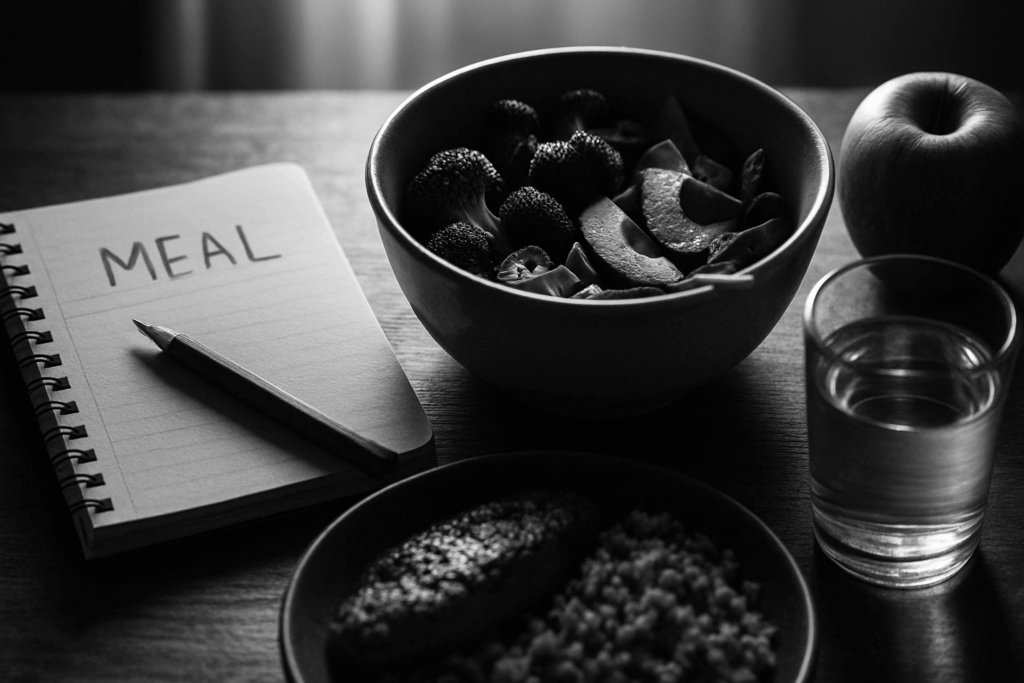
Let’s start with the plate method. Think of your plate in thirds: one part protein, one part carbs, and one part vegetables. Clean, visual, and no measuring cups needed. It’s not about hitting some perfect ratio it’s about building a meal your body recognizes and can actually use. Protein keeps you full. Carbs give you fuel. Veggies bring the fiber, vitamins, and minerals. Together, they work.
Now, don’t forget fats. They’ve been wrongly demonized for years, but here’s the truth: you need them. A drizzle of olive oil, a slice of avocado, a spoonful of nut butter these are not extras, they’re essentials. Fats help you absorb nutrients, support brain health, and make food taste like something worth eating.
And when it comes to portions, the goal isn’t restriction it’s awareness. You don’t need to starve to eat balanced. You just need to build plates that reflect what your body can actually use in one sitting. Portion control is about eating with intention, not guilt. Big difference.
Practical Steps to Start Planning Your Meals
Start small. Don’t try to plan 21 meals in one sitting it’s a fast track to burnout. Begin with a 3 day template. Think in threes: three breakfasts, three lunches, three dinners. Choose meals you already know how to make. Repeat where it makes sense. Build confidence before chasing variety.
When it’s time to shop, your grocery list is your first line of defense. Write it before you walk into the store (or open the grocery app). Group items by section produce, protein, pantry to streamline your trip. Stick to ingredients you’ll actually use. Don’t fall for bulk deals on things that will rot in your fridge. Planning around what you already have helps reduce waste and saves real money.
Batch cooking doesn’t mean making a week’s worth of chili and eating it on repeat until your soul gives up. Instead, prep components grains, proteins, chopped veggies that can be mixed and matched through the week. Batch means foundational meals, not food monotony. Use your freezer. Rotate flavors. Keep things flexible.
In 2026, meal planning apps are smarter than ever. Look for ones that help you build plans based on your diet, pantry inventory, and family size. Top picks include PlatePilot, NutriNest, and MealMap. Find one that reduces friction, not adds to it. The right app saves you time, brainpower, and the whole “what’s for dinner” spiral.
Planning is a skill. Start simple. Build over time.
Special Diets Without the Overwhelm
Let’s be honest most dietary advice sounds great until you actually try to eat real food on a busy Tuesday. Whether you’re following keto, Mediterranean, or gluten free, balanced eating is possible without turning every meal into a research project.
For keto, it’s not just bacon and cheese. Aim for quality fats (think avocado, olive oil, nuts), moderate protein, and above ground veggies. Mediterranean? It’s all about variety grilled fish, legumes, whole grains, leafy greens, and olive oil come together without much fuss. Gluten free? Stick with whole food staples: rice, potatoes, quinoa, roasted veggies, and lean proteins keep it simple.
Dealing with allergies or sensitivities? Read labels, plan ahead, and don’t experiment when you’re already hungry. Ingredient swaps are easier than ever, but you’ve got to know what you’re replacing. Almond flour isn’t a 1:1 swap for regular flour, and dairy free cheese doesn’t melt like the real deal so choose your recipes wisely.
One of the biggest mistake people make? Getting too rigid. Meal plans that don’t flex get broken. Instead, create structure with room to breathe. Have backup meals, rotate ingredients, and build a short list of go to options you know will work no matter what. Balanced eating hasn’t changed much but how we plan for it has. Adaptability isn’t just helpful. It’s required.
When Plant Based Meets Balanced
Building satisfying meals without meat comes down to smart basics: texture, flavor, and nutrients. Forget the old trope of limp salads and plain rice. The modern plant based plate is rich in legumes, grains, seeds, and colorful produce and it’s anything but boring.
Start with protein. Think lentils, chickpeas, tofu, tempeh, quinoa, or nuts. These staples offer staying power and mouthfeel. Pair that with complex carbs like brown rice or sweet potatoes, and always pack your plate with a variety of vegetables raw, steamed, roasted, you name it. Add a sauce or seasoning to tie it all together. You’re not just eating plants you’re eating a meal.
Now the essentials:
Vitamin B12 is virtually absent in most plant foods, so look for fortified cereals, non dairy milks, or take a supplement if needed.
Iron from plants (like spinach, lentils, and pumpkin seeds) is less absorbable than animal sources, so pair it with vitamin C rich foods to boost absorption.
Protein isn’t hard to get, but aim for variety. Mixing legumes, whole grains, and soy products gets the job done.
Omega 3s are trickier but manageable: flaxseeds, chia seeds, hemp hearts, and walnuts help cover your base.
A well planned plant based meal isn’t restrictive it’s deliberate. When you think “what will make me feel full and energized,” rather than “what am I cutting out,” you’re on the right track.
Read: Plant Based Diets Benefits and How to Start
Avoiding Common Mistakes
Skipping breakfast doesn’t just leave you hungry it sets off a chain reaction. But skipping planning? That’s worse. When you don’t have a game plan, every meal becomes a question mark. That’s how convenience wins, and more often than not, convenience isn’t balanced.
Then there’s the difference between constant snacking and smart mini meals. Grazing all day because you didn’t prep a lunch usually ends in a calorie overload and a nutrient crash. Strategic mini meals, on the other hand, keep energy steady. Think: a boiled egg and fruit, not a handful of crackers every hour.
Emotional eating creeps in when hunger meets stress and no structure is in place. That’s where planning steps up. Having a fridge full of decent options, or even just knowing what your next meal is, helps you make better calls before your mood makes one for you.
Takeaways You Can Use This Week
Meal planning doesn’t have to be overwhelming small actions lead to long term success. Here’s how to turn insight into action starting today.
Start with Just 3 Dinners
If you’re feeling unsure where to begin, simplify. Don’t try to plan every meal in one go. Instead:
Choose three dinners you’d like to eat this week
Base your choices on ingredients you already have or can easily buy
Write them down and assign each to a specific night
This gives you an easy win and builds confidence.
Think of Meal Planning as a Practice
You don’t become a great planner overnight. Like any skill, meal planning improves with repetition and review.
Start with simple templates or repeat meals that worked before
Reflect weekly: What meals did you enjoy? What felt like too much effort?
Adjust without judgment perfection isn’t the goal
Keep It Consistent, Not Complicated
Forget four hour Sunday meal preps unless they truly work for you. In 2026, efficiency is the priority.
Focus on meals that are quick, balanced, and satisfying
Reuse grocery lists that work well for you
Batch prep 1 2 ingredients each week (not entire meals)
Bottom line: Consistency beats complexity. A few reliable habits are far more powerful than a dozen unused recipes or complicated plans.
Commit to one small step this week and build from there.