
The Upside of Going Plant Based
Let’s keep it simple: switching to a plant based diet does a lot more than just change what’s on your plate. For one, there’s the lowered risk of heavy hitter illnesses heart disease, Type 2 diabetes, and some cancers. That’s not fluff; it’s backed by decades of studies showing how whole plant foods support better metabolic and cardiovascular health without loading up your system with saturated fat, excessive hormones, or processed meat byproducts.
Your gut also calms down. Plant based eating tends to reduce inflammation, and with more fiber rich foods, most people see digestion improve. Translation: fewer midday crashes, less bloating, and better immune function.
Weight management? It doesn’t have to involve counting every calorie. What matters more is food quality and satiety plant based meals tend to leave you satisfied longer without the same calorie density. You still eat well, but with fewer empty inputs.
And then there’s the planet. Eating plants takes far less water and land, and creates way less greenhouse gas. One person leaning into plant based choices can shrink their environmental footprint faster than just swapping light bulbs or recycling. That’s something anyone can get behind.
Misconceptions You Should Ignore
Going plant based doesn’t mean flipping your entire diet overnight. You don’t need to throw out your go to meals or scan every label like a detective on day one. Most people do better when they ease in think progress, not perfection.
Protein? You’re covered. Lentils, tofu, quinoa, tempeh they all pull their weight. Even oats and broccoli carry more protein than you’d expect. The myth that meat is the only solid protein source is outdated. Plenty of athletes thrive on plant based diets. You won’t waste away.
And no, going plant based doesn’t mean flavorless salads and missing out. The current food landscape is stacked with options. Think rich curries, loaded veggie tacos, creamy smoothies, savory grain bowls. You’re not depriving yourself you’re discovering.
Still not convinced? Here’s a deeper look at the science behind the myths: Debunking Common Nutrition Myths With Science.
Smart Ways to Start Without Overhauling Your Life

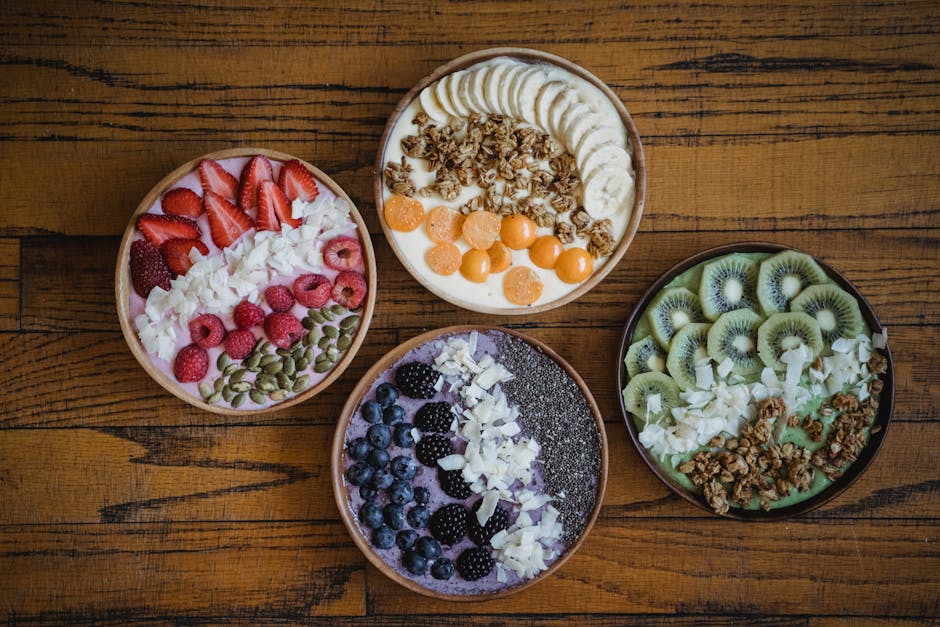
You don’t need a dramatic fridge purge to go plant based. Start by swapping in one plant based meal a day breakfast is the easiest win. Think oatmeal topped with nuts and fruit, tofu scrambles, or simple smoothies packed with greens, banana, and seeds. No drama, just real food.
Whole foods should be your base: grains like quinoa and oats, legumes like lentils and black beans, and a rainbow of vegetables. Add in some healthy fats from avocados, nuts, and seeds. These aren’t just filler they’re fuel.
Keep your go to meals, but flip the ingredients. Burgers? Try black bean patties. Pasta? Go heavy on roasted veggies and a plant based sauce. The idea isn’t to reinvent your weekly menu it’s to upgrade it.
Master a few fast, repeatable recipes. Stir fries, sheet pan meals, or a solid lentil soup can carry you through busy nights without defaulting to takeout. Once you have these locked in, eating plant based feels less like a project and more like a habit.
Staying Balanced and Well Fueled
Adopting a plant based diet doesn’t mean compromising on nutrition being mindful of balance is key to thriving, not just surviving, on plants.
Nutrients to Watch
While most nutrients are easy to get from whole plant foods, a few require extra attention:
Vitamin B12: Crucial for nerve and brain health. Opt for fortified foods (like plant milks or cereals) or take a reliable supplement.
Omega 3 fatty acids: Found in flaxseeds, chia seeds, walnuts, and algae based supplements. Essential for heart and brain function.
Iron: Plant sources include lentils, beans, tofu, and spinach. Pair them with vitamin C rich foods (like bell peppers or citrus fruits) to boost absorption.
Meat Alternatives: Use Wisely
Minimally processed meat alternatives can be helpful during transitions, but they shouldn’t become staples.
Use products like plant based burgers or sausages for convenience not every meal.
Choose options with recognizable ingredients and lower sodium.
Focus on whole protein sources like lentils and tempeh for sustainable nourishment.
Progress Over Perfection
Perfect eating isn’t required or realistic. What counts is moving in the right direction, even if it takes time.
Small, lasting changes beat short bursts of restriction.
Don’t feel guilty for occasionally eating outside a strict plant based framework.
Consistency and intentionality are what deliver long term benefits.
In short, a thoughtful approach to balance keeps plant based eating energizing and sustainable.
Looking Ahead in 2026 and Beyond
Plant based eating isn’t a fad it’s a foundation. And if the indicators for 2026 and beyond are any clue, it’s only gaining more traction. Innovation is charging forward, with lab grown meats and nutrient enhanced foods entering the mainstream at a faster clip. These aren’t moonshot ideas anymore they’re showing up in supermarkets, startup menus, and even fast casual chains.
Science is also catching up with what early adopters have been saying for years. Long term research continues to reinforce the link between plant based diets and lifespan, cognitive health, and disease prevention. This isn’t just about cutting out meat it’s about creating a dietary pattern that fuels the body for the long haul.
Then there’s the climate piece. As environmental pressure hits harder, eating more plants is less of a personal choice and more of a global necessity. Resource efficient, low emissions eating could go from being labeled ‘alternative’ to simply being considered the standard.
In short: the future is greener, from your plate to the planet. And if you’re already leaning plant based, you’re ahead of the curve.