Know Your Goal First
Before picking exercises or mapping out your week, you need to lock in on one thing: your goal. Are you training to lose fat? Build real strength? Push your endurance? Get better balance and mobility? One goal doesn’t mean you ignore the others, but it shapes everything from intensity to structure.
If fat loss is the mission, focus on higher intensity circuits and keep rest short. Strength? Slow things down and concentrate on controlled reps and progressive overload even if it’s just using a heavier backpack. Endurance work will lean into volume and consistency. Balance and mobility? Think slower, low impact movement with form dialed in.
Now build the schedule around your life, not someone else’s. Three to five sessions a week is the sweet spot for most people. More than that, and you risk burnout. Less, and progress slows unless you’re pairing workouts with dialed in nutrition and sleep.
And here’s the part a lot of people skip: recovery. Your body can’t get stronger, leaner, or more stable if you’re wrecked all the time. Rest days count. Use them to stretch, walk, or just chill. Recovery isn’t a break from training; it’s when the work actually pays off.
Lower Body: Start with the basics squats, lunges, and glute bridges. These moves hit your quads, glutes, hamstrings, and stabilizers with minimal setup. No weights? Use your bodyweight with slow, controlled reps. Want intensity? Add resistance bands or hold something heavy like a backpack or a grocery bag filled with books.
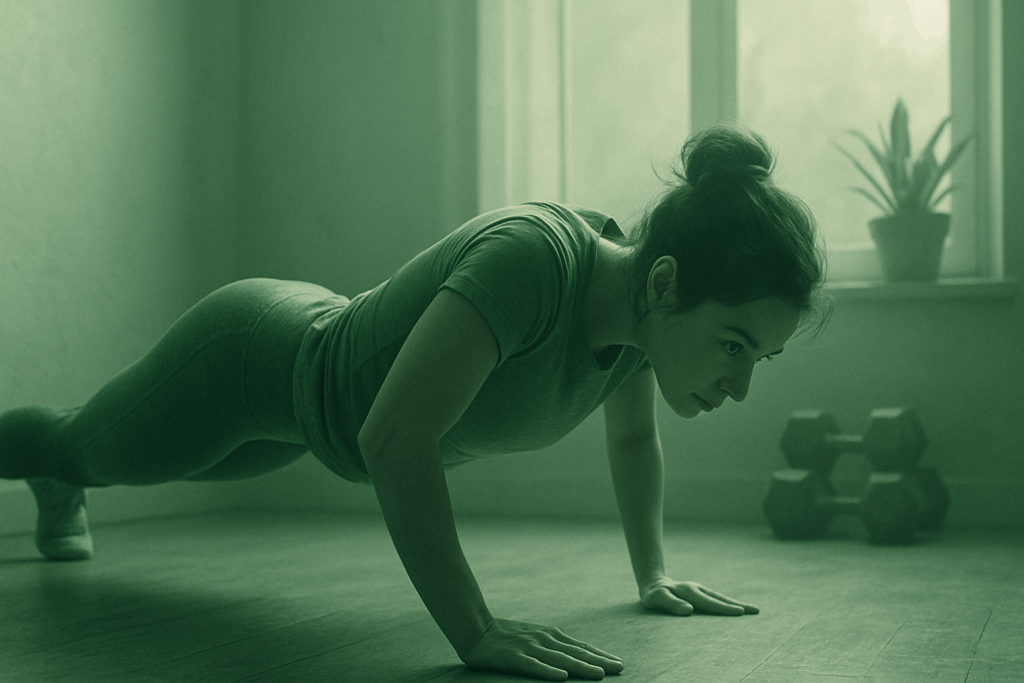
Upper Body: Push ups get the job done. Go standard, drop to your knees, or elevate your feet for more challenge. Chair dips target your triceps, and for rows, grab a backpack or heavy jug anything with a handle. Resistance bands are great here too; loop around doorknobs, table legs, or just stand on them.
Core: Keep it tight with planks front and side versions. Mountain climbers raise your heart rate while hitting the abs. Dead bugs work your deep core without stressing your neck or back, and Russian twists hit the obliques hard. Mix static holds and dynamic reps for the best of both worlds.
Combine Strength and Cardio
A solid full body routine starts with compound movements think squats, push ups, lunges, and rows. These moves hit multiple muscle groups at once, making them efficient and time smart. Aim for 3 4 sets, keeping the reps in the 8 12 range if your goal is strength and muscle maintenance.
To turn up the heat, wedge in 30 to 60 seconds of cardio between sets. Jump rope, burpees, or high knees serve as simple but brutal tools for jacking up your heart rate and torching calories. It’s a fast way to combine strength and conditioning without dragging your workouts out.
The pace you set matters. If you’re looking to preserve muscle, slow things down. Focus on form and full range of motion. But if burning fat is the mission, move quicker shorter rest, quicker transitions, and keep pushing through that discomfort zone. Either way, intensity trumps duration.
Don’t Forget the Warm Up and Cool Down

Skipping warm ups and cool downs might save you ten minutes, but it’ll cost you in the long run think sore joints, tight muscles, and slower progress. Before you touch a single rep, start with 5 10 minutes of dynamic movement. We’re talking leg swings, inchworms, arm circles things that tell your body, “Hey, we’re turning on now.” It boosts circulation, wakes up your nervous system, and reduces injury risk.
Post workout, slow it down. This is the time for static stretches. Hamstrings, hips, shoulders whichever parts you hit hard, give them dedicated attention. Hold each stretch for at least 20 30 seconds. Your muscles will thank you tomorrow.
If flexibility’s your weak spot (happens to the best of us), check out the Top 5 Stretching Exercises to Improve Flexibility. Add them in regularly and you’ll notice real gains not just on the mat, but in how your entire body moves.
Day 1: Strength Emphasis (Lower Body Focus)
Start your week with a foundation builder. Lower body workouts target your largest muscles, which means more strength and more calorie burn. Think basic, effective moves: bodyweight squats, lunges (forward and reverse), glute bridges, and step ups. If you have resistance bands or dumbbells, great use them. No gear? No problem. Just go slower or increase reps to add intensity. Aim for 3 4 sets of 8 12 reps per exercise. Rest 30 60 seconds between sets.
Day 2: HIIT (Full Body with Cardio Intervals)
Today’s about getting your heart rate up. Combine strength with speed: think 40 seconds of work, 20 seconds rest. Exercises can include burpees, jump squats, push ups, mountain climbers, and high knees. Cycle through 4 5 moves for 3 4 rounds. You’ll burn fat, boost endurance, and bring some chaos to wake your system up midweek.
Day 3: Core & Mobility
Time to recalibrate. Slow things down and focus on stabilization and range of motion. Try a 20 30 minute session with planks, dead bugs, bird dogs, and Russian twists layered into a flow with deep lunges, hip openers, and shoulder stretches. Trust this day it’ll make everything else better.
Day 4: Strength (Upper Body Focus)
Now you hammer the push and pull. Push ups (any variation), dips off a chair, rows using bands or a backpack, and maybe some shoulder presses if you’ve got gear. Again, 3 4 sets in the 8 12 rep range. Controlled movement wins here no flailing. Keep rest periods short if you want a little cardio edge.
Day 5: Active Recovery or Light Full Body Session
It’s about movement, not performance. Go for a light yoga flow, a walk with mobility drills at the end, or a low impact circuit (bodyweight squats, planks, controlled knee push ups). The goal: stay in motion without draining the tank. This is how you keep the habit alive and avoid burnout.
A Few Smart Home Workout Tips
You don’t need fancy equipment to see progress. Resistance bands, a sturdy chair, a filled backpack, and an old yoga mat that’s your home gym. Keep it simple and use what’s around you. Creativity beats excuses every time.
Film yourself once in a while. Doesn’t have to be for social media just a quick check to see if your form’s on point. Bad habits creep in when no one’s watching, and fixing your form early saves a lot of time and pain down the road.
Your goal isn’t perfection. It’s progress. Add a rep. Hold that plank for five more seconds. Cut thirty seconds off your rest. Stack small wins and let them compound. That’s how home workouts go from basic to brutal in the best way.
Bottom Line
You don’t need a gym. What you need is structure and that’s entirely possible at home. The idea isn’t to mimic a fitness influencer’s polished routine. It’s to build something you’ll actually stick to. Whether it’s five exercises in your living room or a 20 minute circuit squeezed in between meetings, consistency beats complexity every time.
Progress isn’t always about lifting more or going faster. It might just be showing up three times a week without skipping. Or holding your plank a little longer. These small wins add up. They create momentum. And momentum changes bodies.
Make your routine sustainable. That means choosing movements you don’t hate, scheduling workouts when you’re most likely to follow through, and leaving room to adjust on the hard days. The fancy gear and gym passes are secondary. What really matters is that you keep moving. Your body will handle the rest.